Pet-Safe Houseplants for Mindful Cat & Dog Parents
Fill your living space with vibrant foliage without worrying about curious paws or teeth. Every plant in this verified collection is 100% non-toxic according to the ASPCA Animal Poison Control Center.
100% Non-Toxic Houseplants
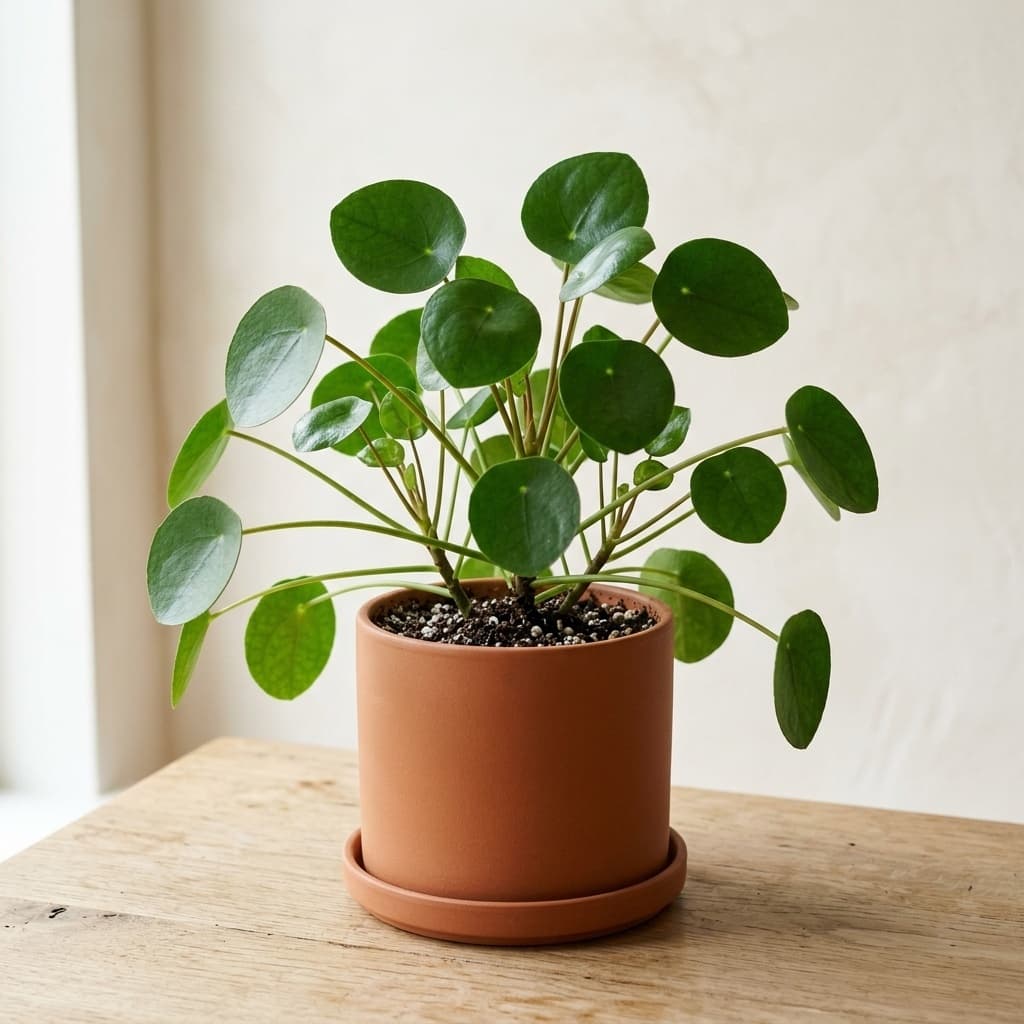
Pilea Peperomioides (Chinese Money Plant)
Pilea peperomioides
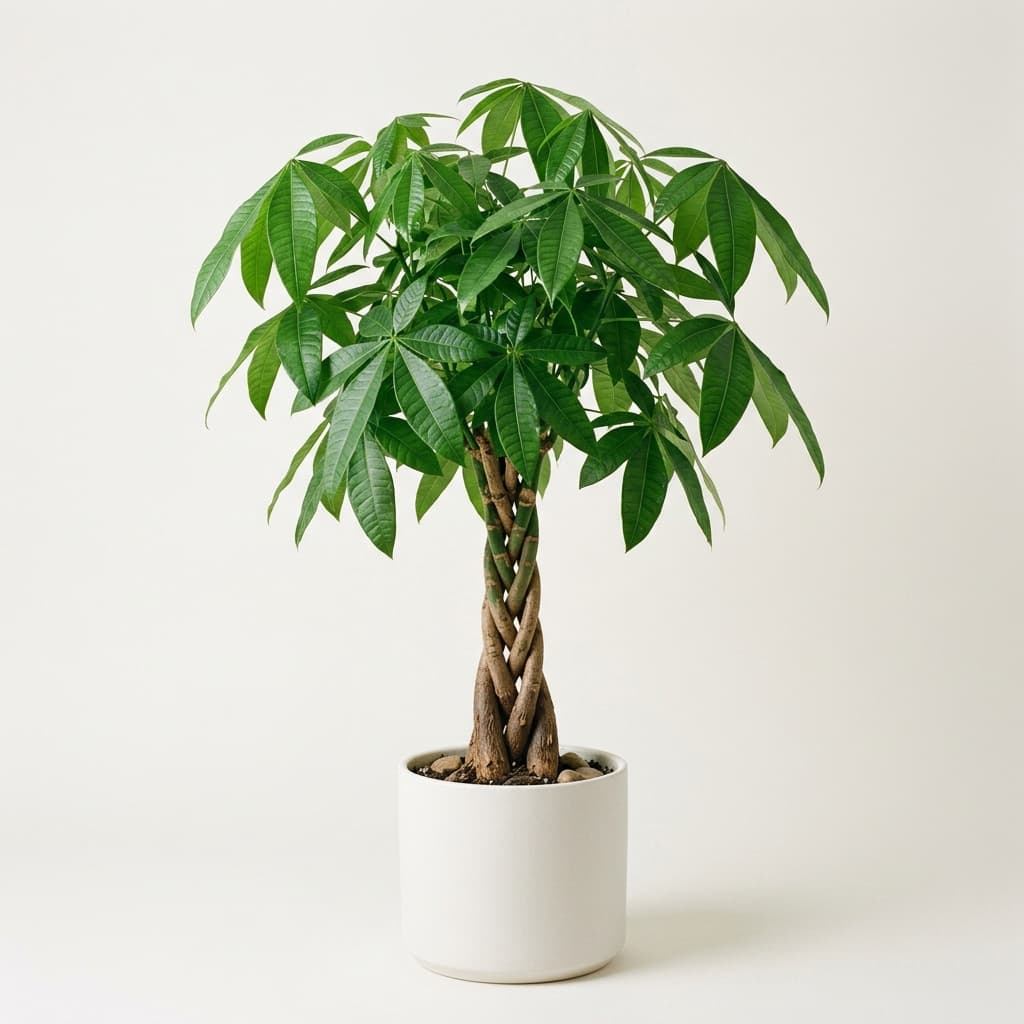
Pachira Aquatica (Money Tree Braid)
Pachira aquatica
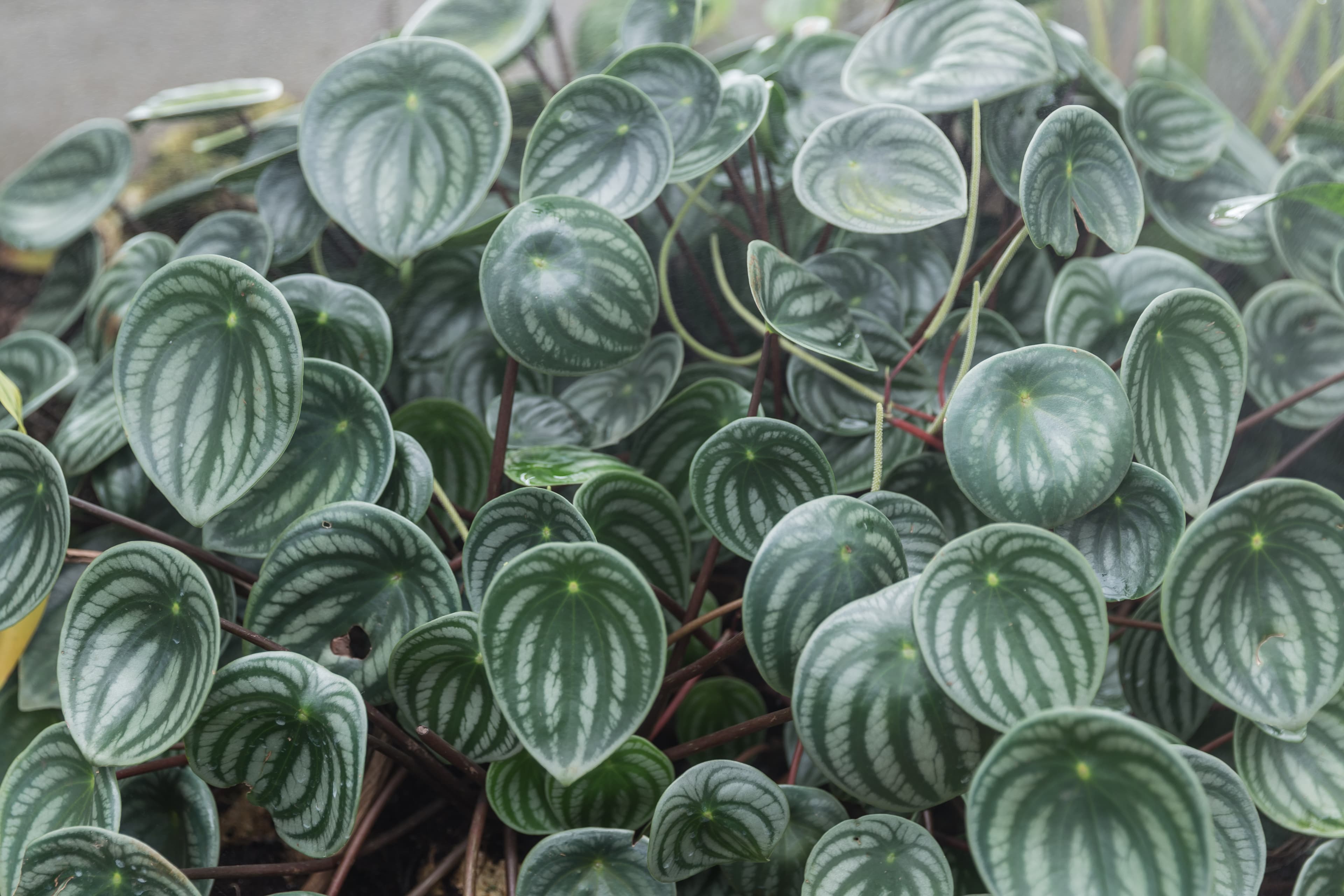
Peperomia Argyreia (Watermelon Peperomia)
Peperomia argyreia
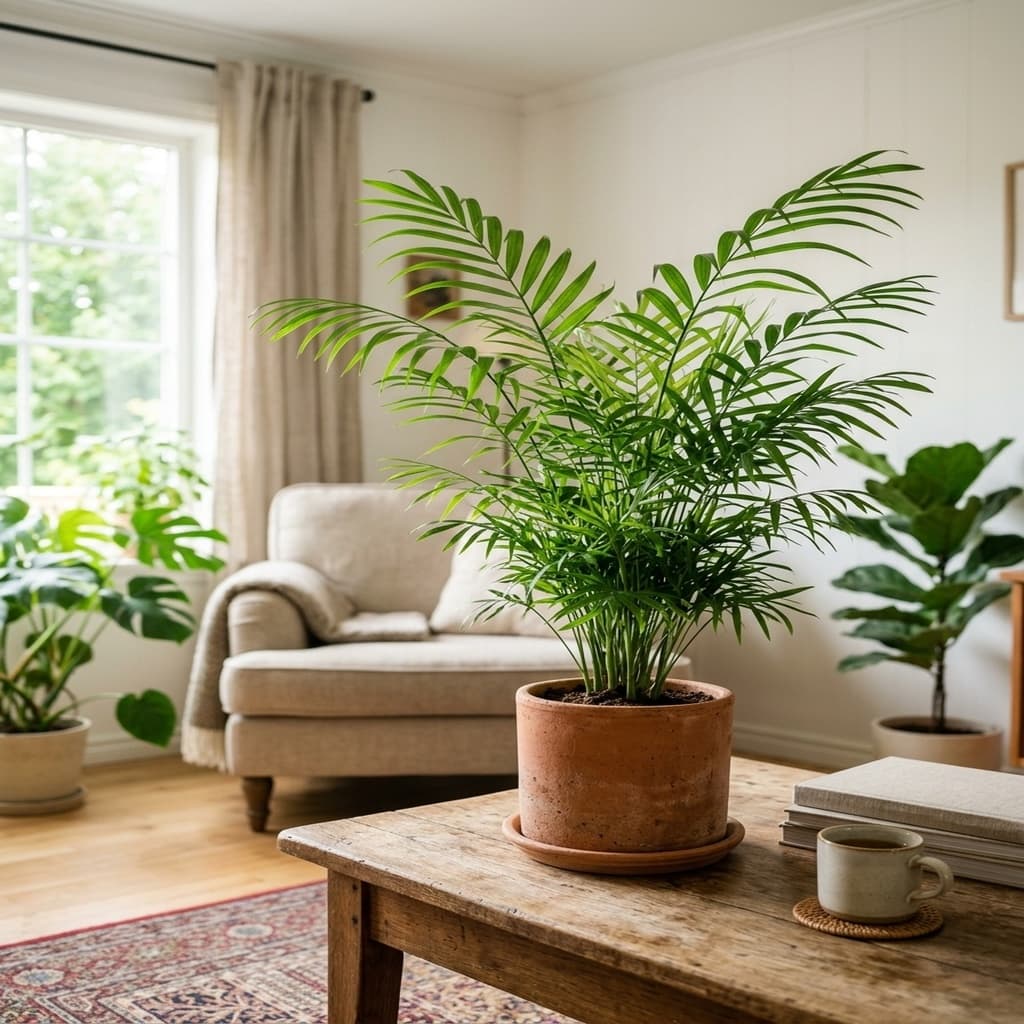
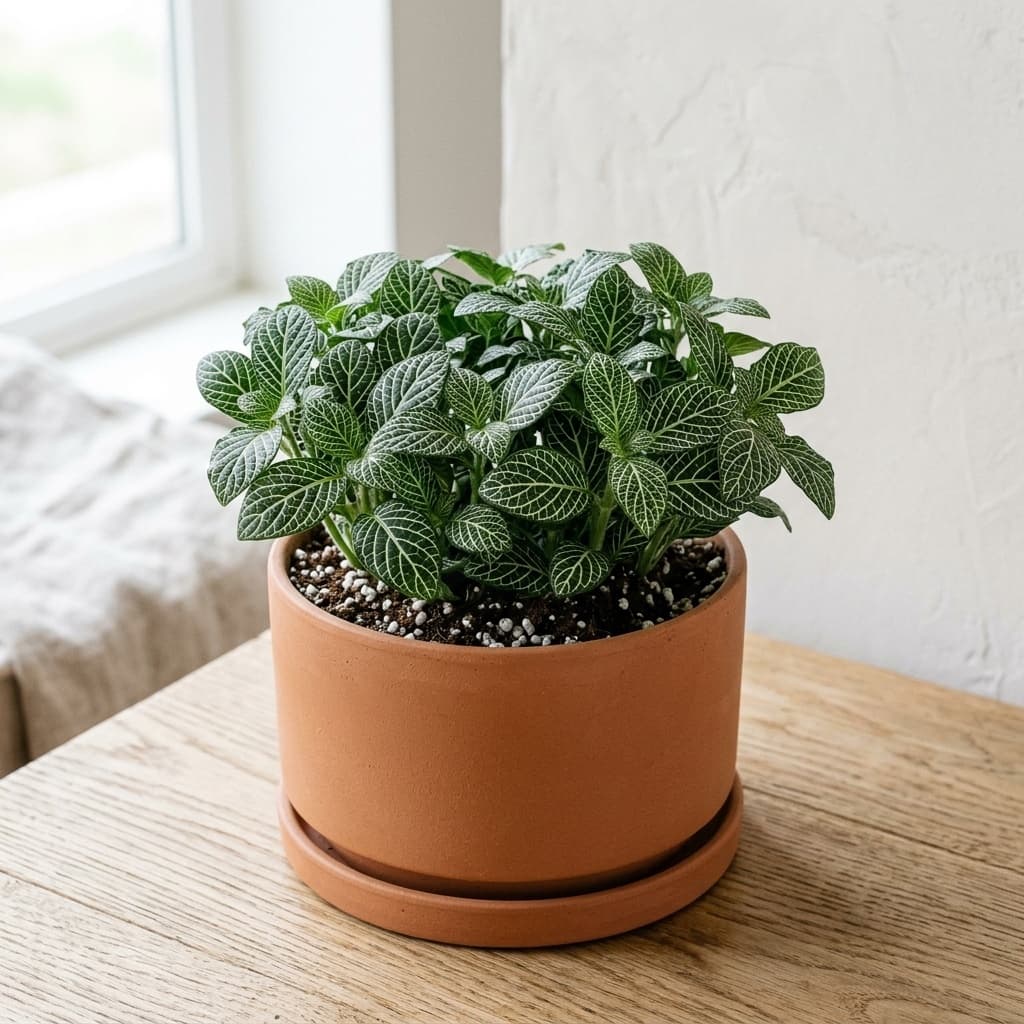
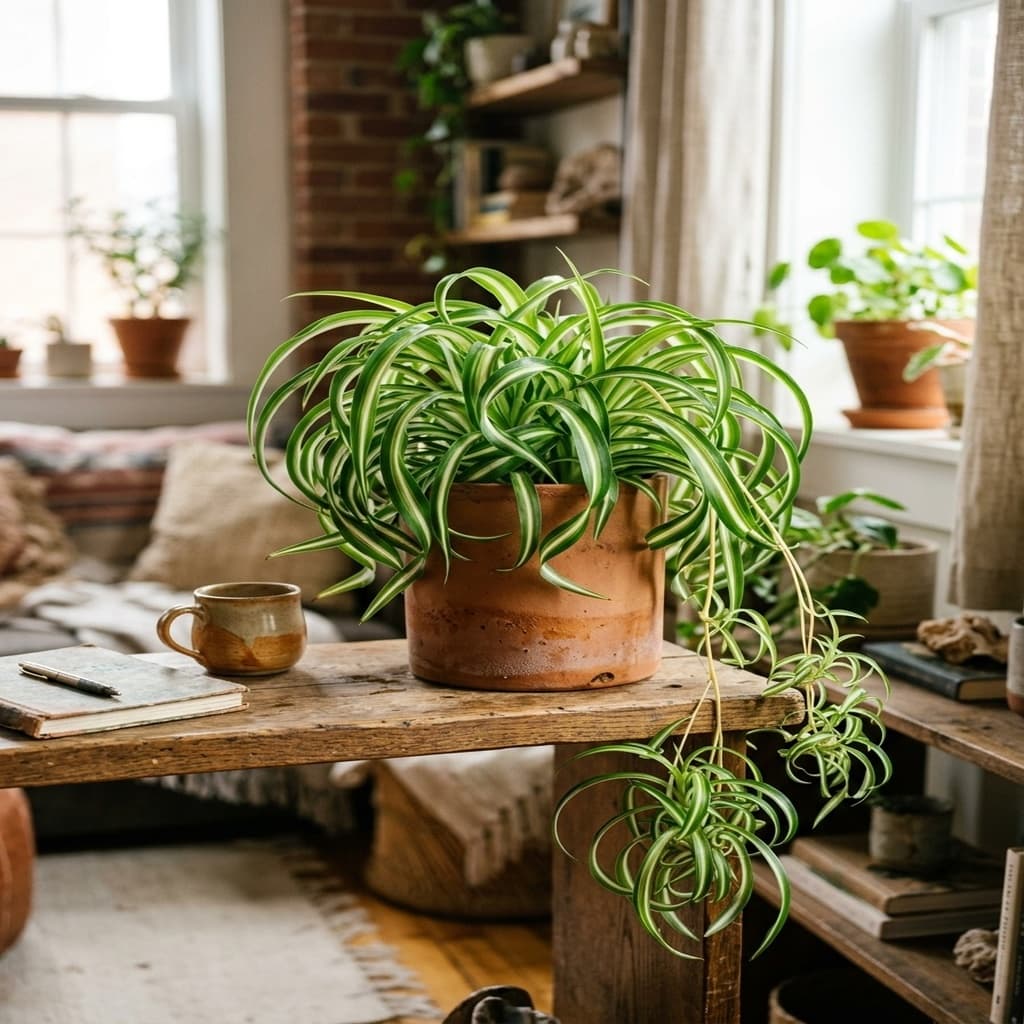
Chlorophytum Comosum "Bonnie" (Curly Spider Plant)
Chlorophytum comosum "Bonnie"
How Ferny’s Verifies Botanical Safety
We do not rely on folklore or marketing blogs. Our botanical catalog cross-references the ASPCA Animal Poison Control Center (APCC) toxicology index, the Veterinary Information Network (VIN), and peer-reviewed horticultural pharmacology.
Non-Toxic (Safe)
Contains no harmful secondary metabolites. Ingesting foliage will not harm organs or require veterinary intervention (though eating large amounts of any fiber may cause mild digestive upset).
Examples: Hoya carnosa, Boston Fern, Calathea, Peperomia, Parlor Palm.
Insoluble Calcium Oxalates
Microscopic, needle-like calcium crystals (raphides) penetrate the oral mucosa when chewed, causing instant burning, drooling, and pawing at the mouth. Rarely systemic, but uncomfortable.
Examples: Monstera deliciosa, Philodendron, ZZ Plant, Pothos.
Severe Systemic Toxins
Severe cardiac glycosides or nephrotoxins capable of acute renal or cardiac failure. Ferny's does not sell true lilies (Lilium/Hemerocallis) or Sago Palms (Cycas revoluta) to protect pet parents.
Zero lethal-risk species in our inventory.
Own a Monstera or ZZ Plant? Here’s How to Coexist Safely
Many popular houseplants contain mild insoluble calcium oxalates. If you love Monsteras or Ficus, you don’t have to abandon them—elevation and deterrents keep your pets completely protected.
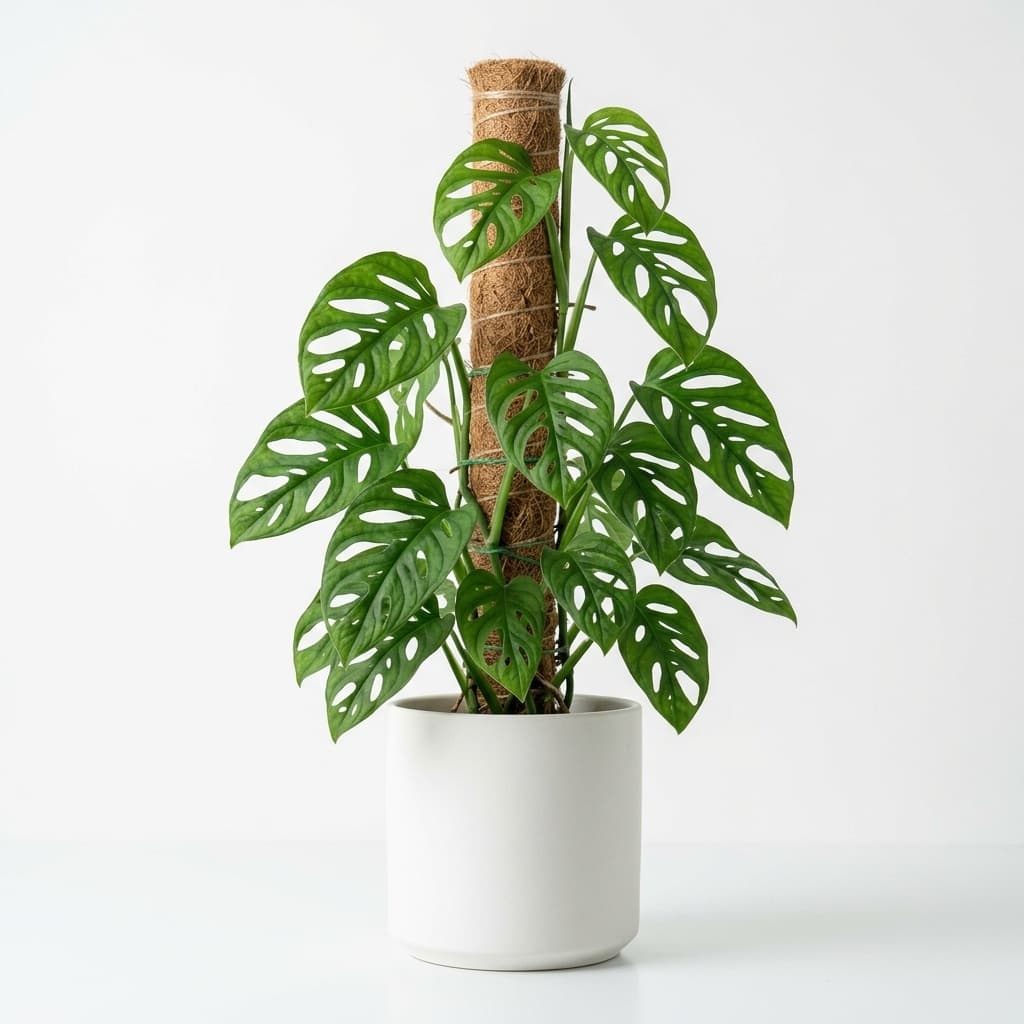 ⚠️ Calcium Oxalates
Monstera Adansonii (Swiss Cheese Vine)
Display elevated on high plant stands or wall shelving out of pet reach.
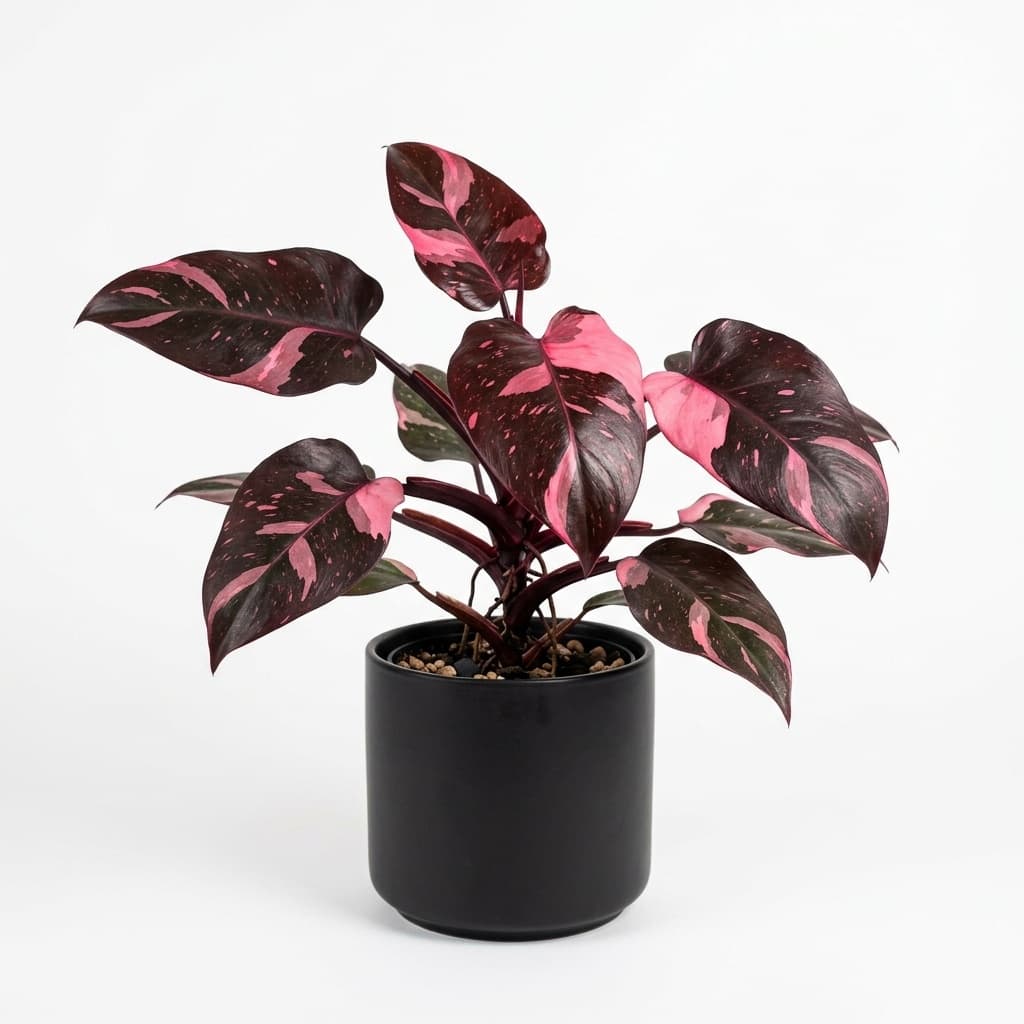 ⚠️ Calcium Oxalates
Philodendron Pink Princess (Collector Edition)
Display elevated on high plant stands or wall shelving out of pet reach.
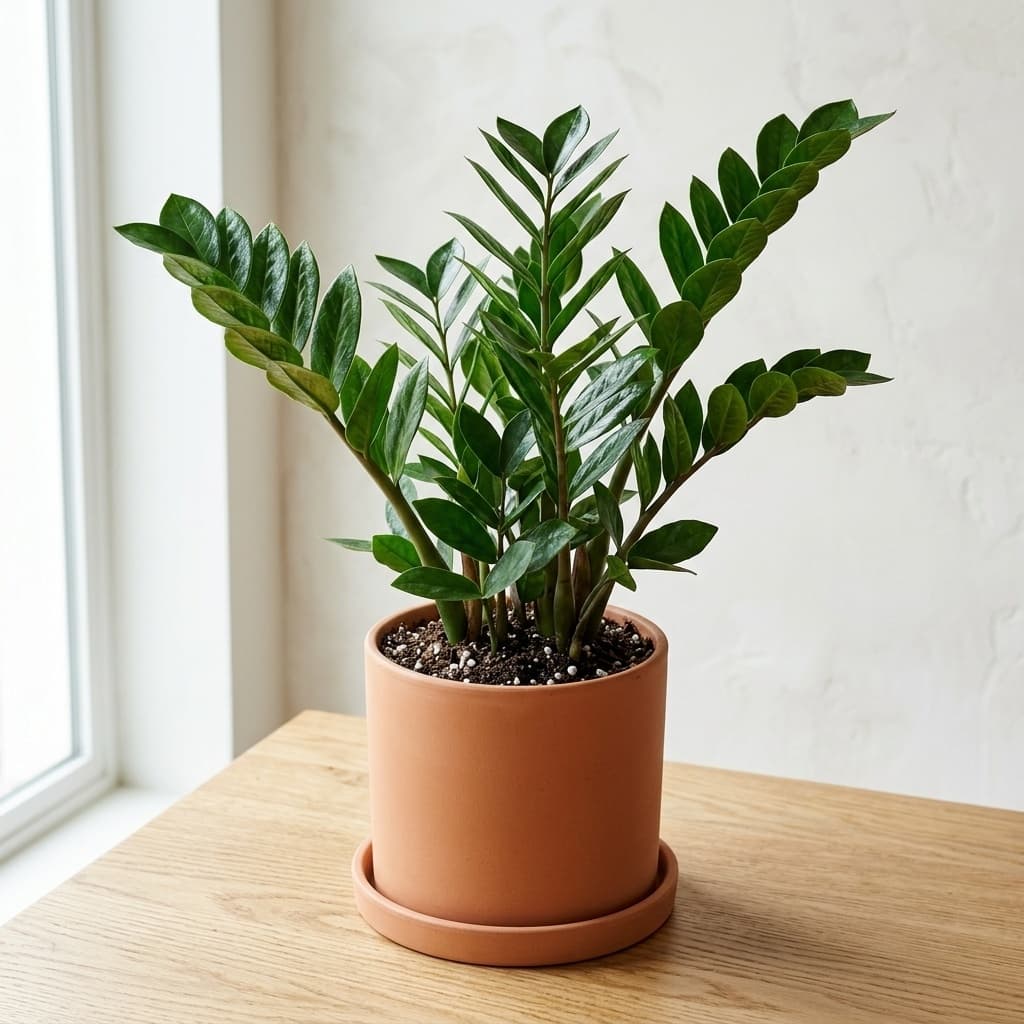 ⚠️ Calcium Oxalates
Zamioculcas Zamiifolia (ZZ Plant)
Display elevated on high plant stands or wall shelving out of pet reach.
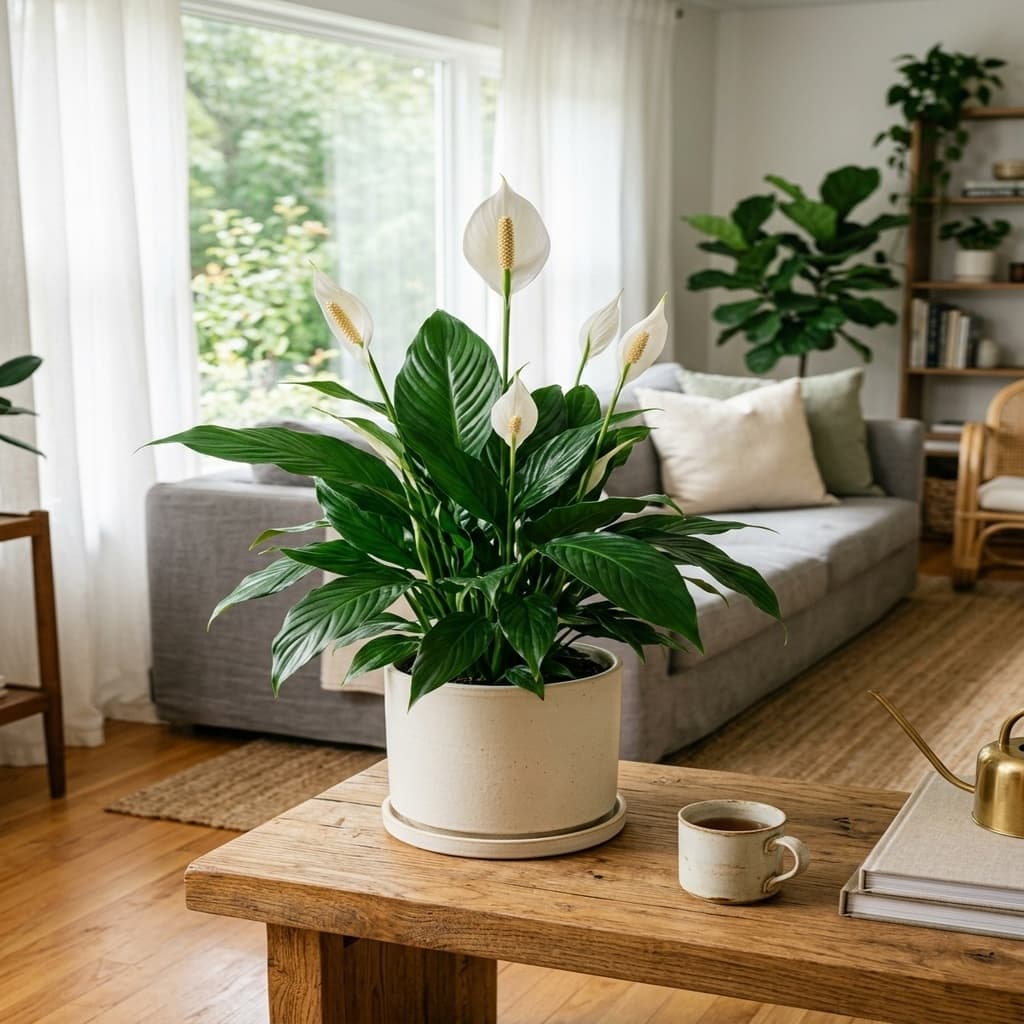 ⚠️ Calcium Oxalates
Spathiphyllum (Emerald Peace Lily)
Display elevated on high plant stands or wall shelving out of pet reach.
Frequently Asked Questions: Pet-Safe Plant Care
What makes a plant safe for cats?
Cats metabolize compounds differently than dogs, particularly through their hepatic glucuronidation pathways. A plant verified safe by the ASPCA contains no secondary alkaloids that compromise feline liver or kidney function.
Is Hoya carnosa safe for dogs?
Yes. Hoya carnosa (including the Wilbur Graves and variegated varieties) is verified non-toxic to both canines and felines by the ASPCA Animal Poison Control Center.
Emergency Veterinary Contact
If your pet ingests an unknown botanical, contact the ASPCA Animal Poison Control Center at (888) 426-4435 or the Pet Poison Helpline at (855) 764-7661 immediately.