Are Monstera Toxic to Cats & Dogs? A Pet-Safety Guide
Everything pet owners need to know about Monstera toxicity, insoluble calcium oxalate crystals, emergency first-aid protocols, and 12 gorgeous pet-safe alternatives.

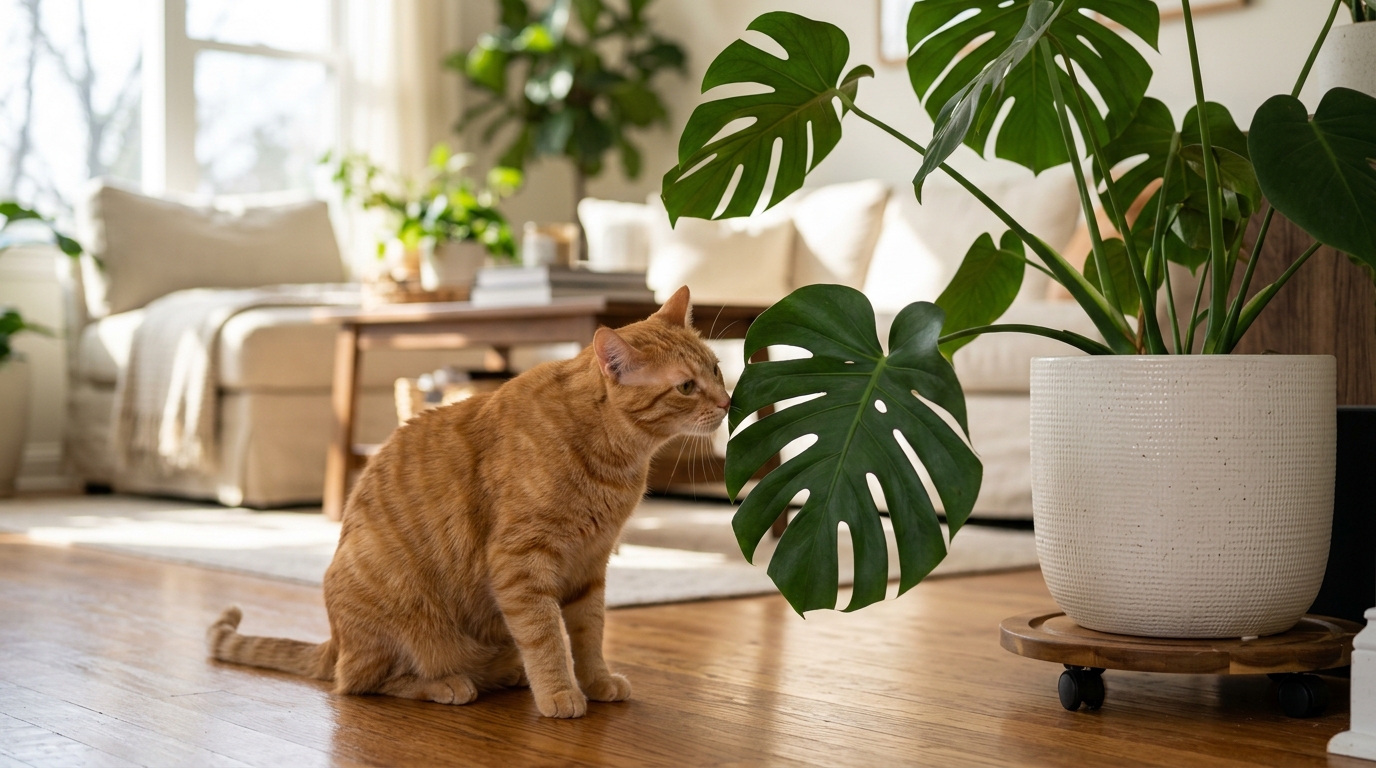

We get asked this question almost every day at Ferny's. A plant lover falls in love with the architectural majesty of a split-leaf Monstera, reads an alarming internet headline, and pictures middle-of-the-night emergency clinic visits.
The reality sits in an important middle ground that every pet owner should understand calmly.
The Science: Why Monstera is Classified as Toxic
Monsteras do not contain chemical poisons that induce acute liver or kidney failure (the way true Lilium species do to felines, or grapes do to canines).
Instead, Monsteras contain microscopic, needle-shaped insoluble calcium oxalate raphide crystals, packed tightly inside specialized cellular structures called idioblasts:
The same mechanical oxalate mechanism is present in trailing vines like Pothos and Philodendron, as detailed in our comparative guide [Pothos vs Philodendron: How to Tell the Difference](/blog/pothos-vs-philodendron-difference-with-photos). Similarly, snake plants carry mild toxicity from saponins, as noted in our [Snake Plant Watering & Care Guide](/blog/how-often-to-water-a-snake-plant-guide).
Symptoms of Monstera Ingestion in Pets
- •Pawing at the mouth or face
- •Profuse, thick drooling and salivation
- •Oral pain and visible mucosal reddening
- •Difficulty swallowing (dysphagia)
- •Mild vomiting or decreased appetite
- •Extremely rare: Upper airway swelling (only in cases of massive plant consumption)
Emergency First-Aid Protocol
- •ASPCA Animal Poison Control Center: (888) 426-4435 (Available 24/7/365)
- •Pet Poison Helpline: (855) 764-7661
12 Genuinely Pet-Safe Houseplant Alternatives
If you prefer zero-risk plants around curious pets, these 12 species are 100% ASPCA-certified non-toxic:
| Pet-Safe Botanical | Botanical Name | Light Level | Growth Habit |
|---|---|---|---|
| Calathea Orbifolia | Goeppertia orbifolia | Medium Indirect | Broad silver-striped foliage |
| Hoya Carnosa | Hoya carnosa | Bright Indirect | Trailing porcelain star blooms (See our [Hoya Bloom Guide](/blog/hoya-carnosa-care-how-to-get-hoya-to-bloom)) |
| Boston Fern | Nephrolepis exaltata | Medium to High Humidity | Feathery cascading fronds |
| Spider Plant | Chlorophytum comosum | Any Indirect | Arching leaves with baby plantlets |
| Peperomia Watermelon | Peperomia argyreia | Bright Indirect | Watermelon-rind foliage patterns |
| Parlor Palm | Chamaedorea elegans | Low to Medium | Elegant architectural palm fronds |
| Cast Iron Plant | Aspidistra elatior | Low Light | Virtually indestructible deep green blades |
| African Violet | Saintpaulia | Bright Filtered | Velvety leaves with purple blossoms |
| Prayer Plant | Maranta leuconeura | Medium Light | Foliage that folds upward at night |
| Ponytail Palm | Beaucarnea recurvata | Bright Direct/Indirect | Bulbous trunk with wispy fountain leaves |
| Friendship Plant | Pilea involucrata | Medium Light | Puckered deep bronze-green leaves |
| Burro’s Tail | Sedum morganianum | Bright Sun | Plump succulent trailing braids |
How to Keep Pets & Monsteras Safely in the Same Home
You don't necessarily have to choose between your dream plant and your furry family members:
- •Elevate on Heavy Stands: Place Monsteras on sturdy mid-century plant stands or architectural pedestals well out of floor reach.
- •Use Heavy Ceramic Planters: Heavy stoneware pots (like our [Fluted Terracotta Planter](/shop/fluted-terracotta-planter)) prevent plants from being knocked over by playful tails.
- •Natural Deterrents: Spray diluted bitter apple or citrus essential oil around the base of the pot—felines and canines naturally avoid citrus aromas.
Frequently Asked Questions
Is Monstera toxic to cats?
Yes. Monsteras contain insoluble calcium oxalate crystals that cause immediate oral pain, drooling, and vomiting if chewed. They do not cause kidney failure, but they are very uncomfortable for the animal.
What should I do if my cat eats a Monstera leaf?
Gently wipe their mouth with a damp cloth, offer a little cold water or plain milk/yogurt to soothe burning mucosal tissues, and monitor their breathing. Contact your veterinarian if drooling or vomiting persists.
Is Monstera adansonii (Swiss Cheese Vine) toxic too?
Yes. All species within the genus Monstera share the same calcium oxalate crystal chemistry and toxicity profile.
Sources & Citations
- •ASPCA Animal Poison Control Center: Toxic Plants Database (Monstera deliciosa).
- •University of Florida IFAS: Plant Toxicity in Domestic Animals.
Frequently Asked Questions
Q: Is monstera toxic to cats?
Yes, but with nuance. Monsteras contain insoluble calcium oxalate crystals that cause immediate mouth irritation, drooling, and mild vomiting if chewed. They do not cause organ failure and are rarely life-threatening.
Q: What happens if my cat eats monstera?
Your cat will likely experience oral pain, drooling, pawing at the mouth, and possibly mild vomiting. Wipe their mouth, offer fresh water or tuna juice, and monitor breathing.
Shop Botanicals Mentioned in This Story
Bring the living plants and tools from this article straight into your home.


Hoya Carnosa 'Wilbur Graves' (Silver Splash)
Hoya carnosa 'Wilbur Graves'
More from The Journal
View All Stories →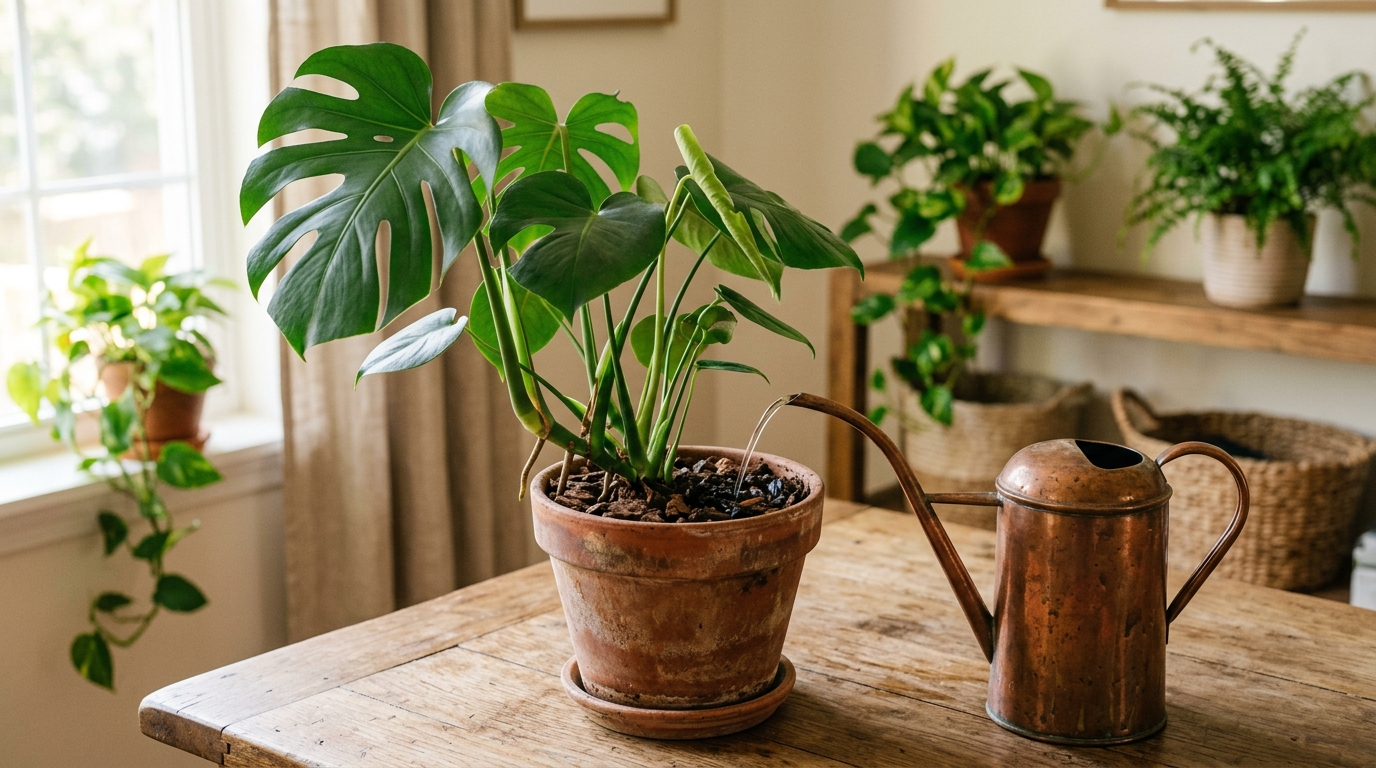
How Often to Water a Monstera (Schedule by Season)
Stop guessing on a rigid calendar. Discover how light, pot material, and seasonal growth cycles dictate your Monstera’s exact hydration needs—with a printable cheat-sheet.
 Elena Vance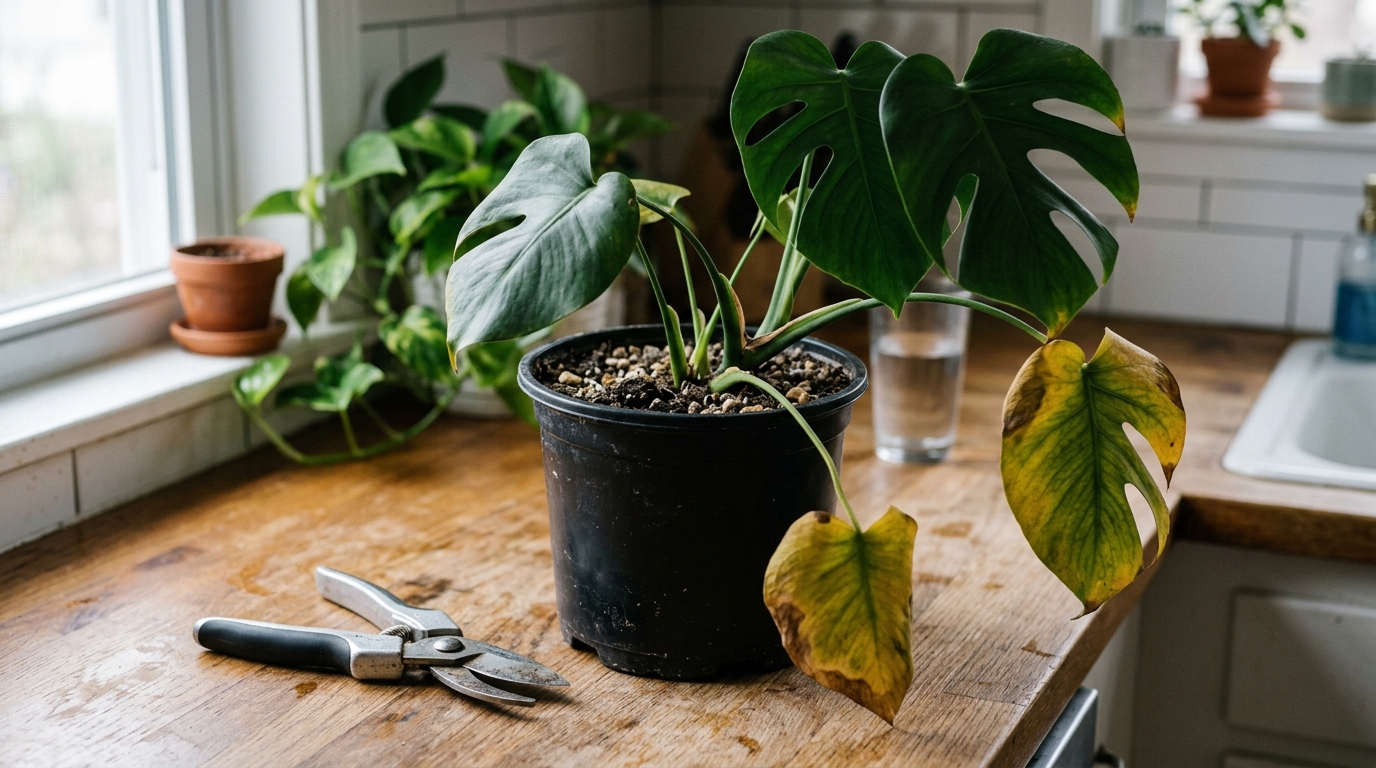
Why Is My Monstera Dying? 7 Fixes for Yellow Leaves, Root Rot & Drooping
Do not panic when your prized Monstera develops yellow leaves or limp stems. Follow our emergency triage protocol to diagnose root rot, shock, or pests—and nurse it back to life.
Elena Vance