Non-Toxic Indoor Plants for Cats and Dogs (ASPCA-Verified List)
The ASPCA-verified list of houseplants safe for cats and dogs, plus which common houseplants aren't — and what to do if a pet eats a toxic one.

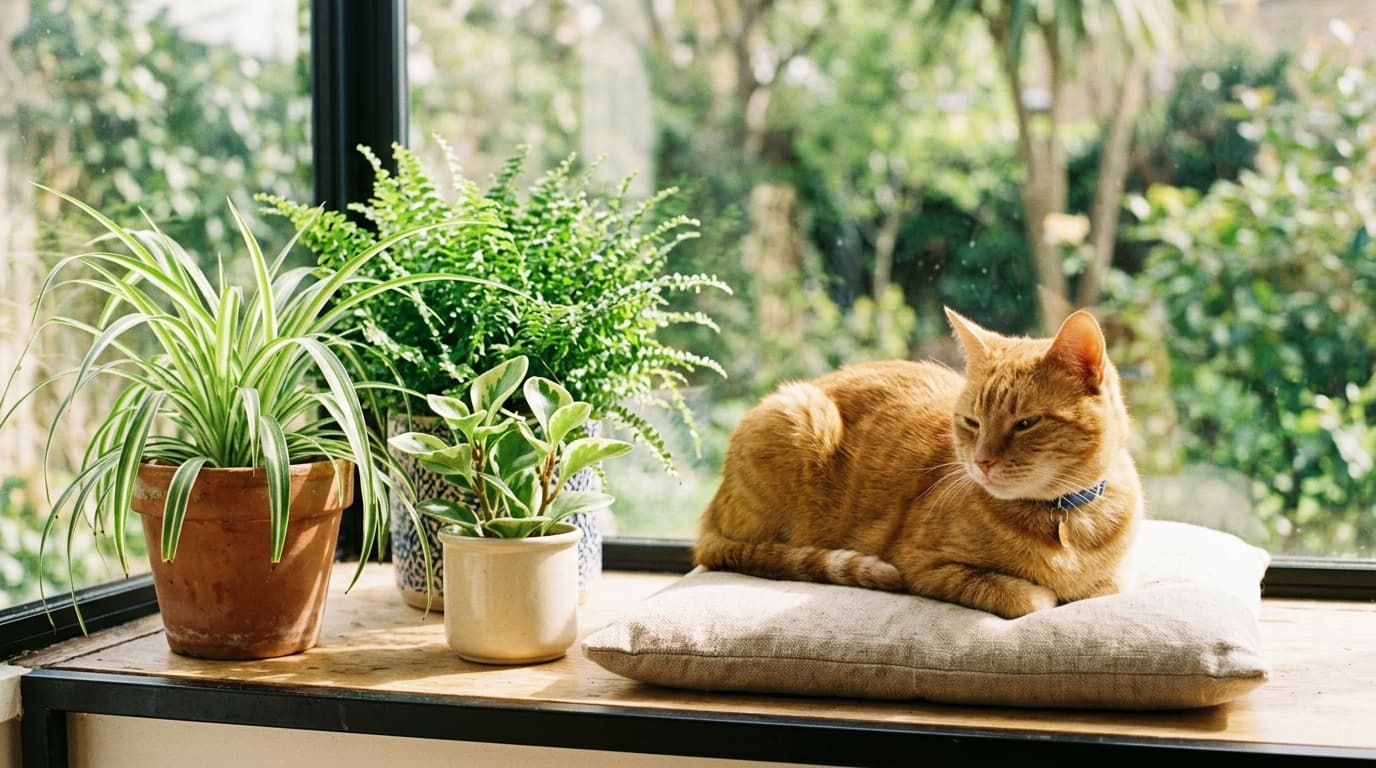
“Pet-safe” gets used loosely online, so it's worth being precise: this list covers plants the ASPCA's own toxic and non-toxic plant database does not list as toxic to cats or dogs. That's a meaningfully higher bar than “I read somewhere it's fine,” and it's the same source veterinarians point to.
The Verified Safe List
| Plant | Why People Like It |
|---|---|
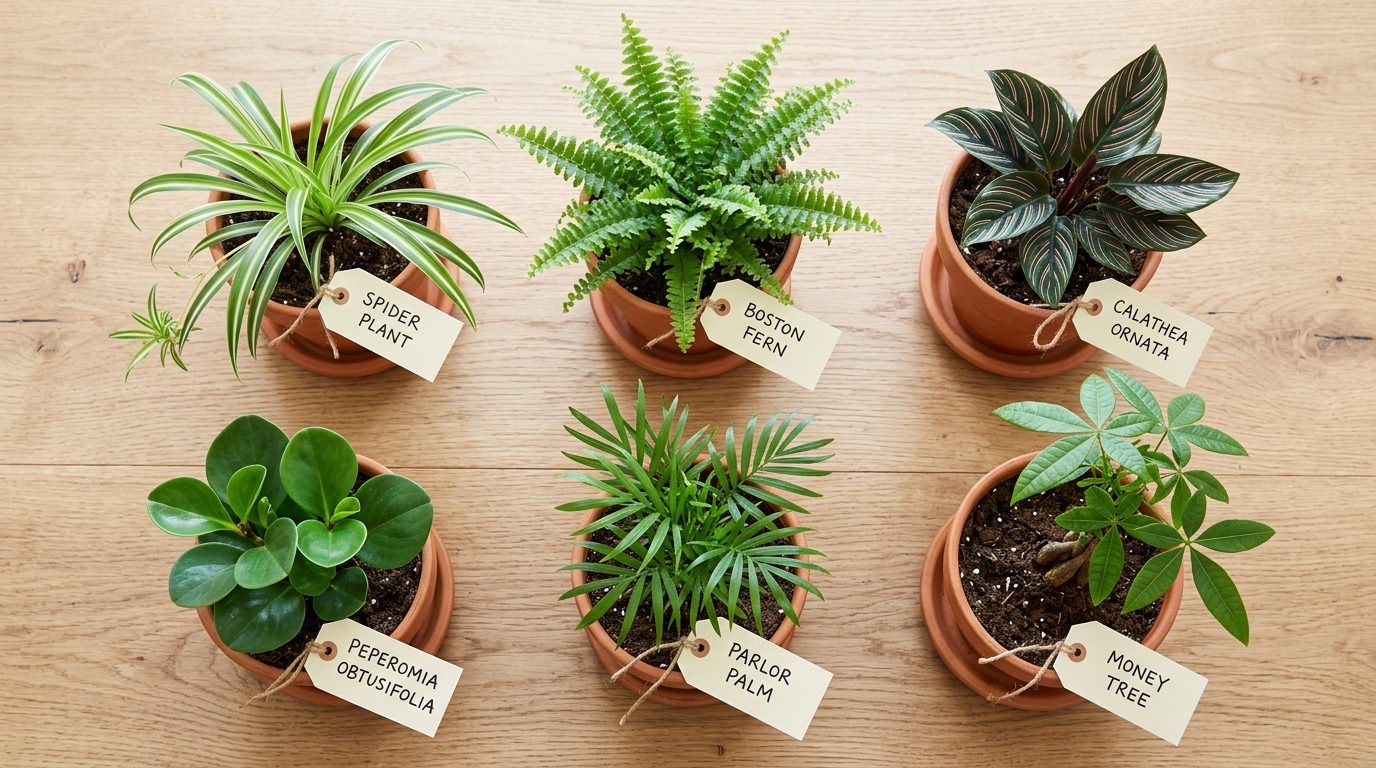
| Spider Plant | Nearly indestructible, tolerates low light, easy to propagate from its own babies |
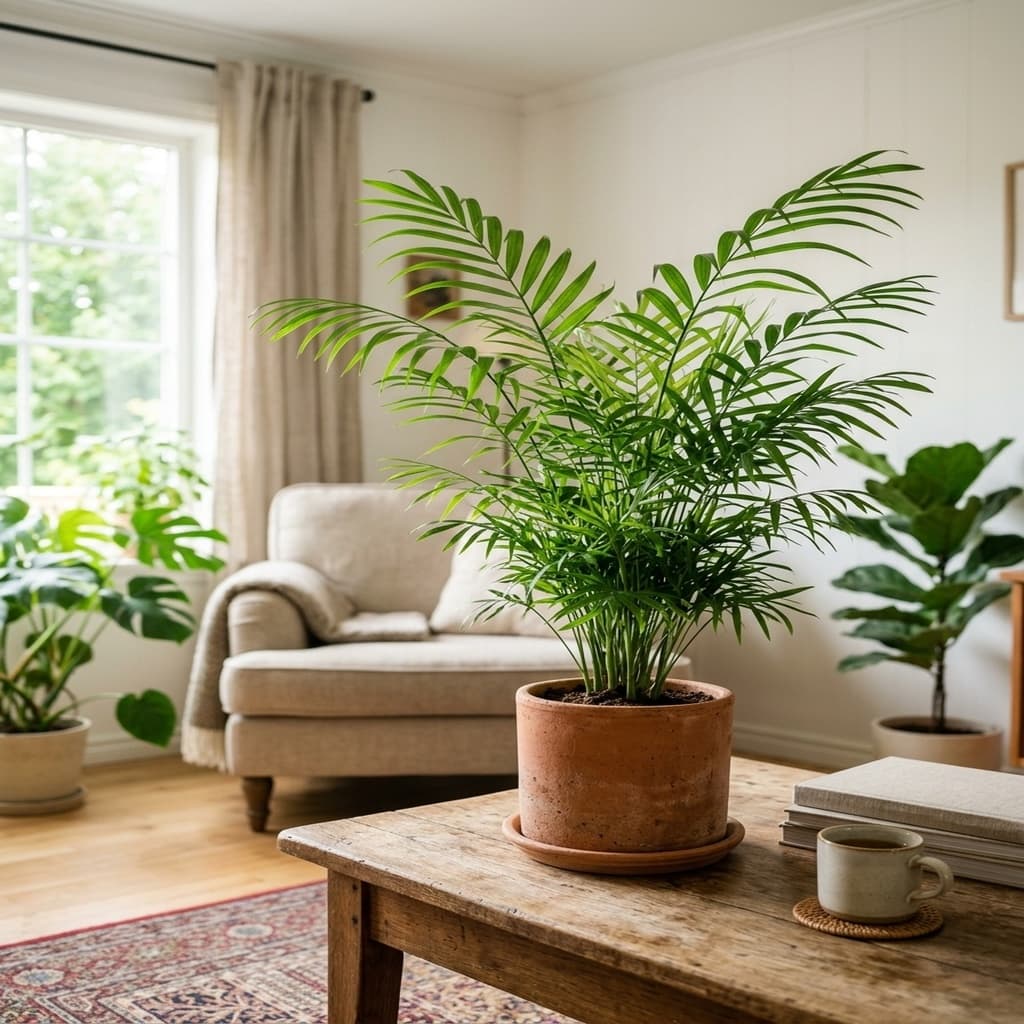
| Areca Palm | Full, feathery look, good floor-standing size for a living room |
| Boston Fern | Classic hanging-basket texture, likes humidity (bathrooms do well) |
| Calathea | Dramatic patterned leaves, good for shadier spots |
| Peperomia | Compact, forgiving, dozens of leaf-shape varieties |
| Parlor Palm | Handles low light better than most palms, slow and tidy growth |
| African Violet | Compact flowering option, blooms indoors year-round |
| Money Tree (Pachira aquatica) | Braided-trunk look, tolerant of inconsistent watering |
| Cast Iron Plant | About as close to unkillable as houseplants get |
| Ponytail Palm | Succulent-like water storage in its base, very drought tolerant |
| Haworthia | Small, slow-growing succulent, good for a bright windowsill |
| Prayer Plant (Maranta) | Leaves fold up at night, striking patterned foliage |
Common Houseplants That Are NOT Pet-Safe
This is where a lot of roundups get vague, so here's the specific, ASPCA-confirmed list, along with what actually happens if a pet chews on one:
- •Pothos, Monstera, Philodendron, and Dieffenbachia all contain insoluble calcium oxalate crystals. Chewing releases the crystals into the mouth, causing oral irritation, intense burning of the lips and tongue, drooling, vomiting, and difficulty swallowing. It's unpleasant and sometimes needs a vet visit for supportive care, but it's rarely life-threatening on its own. See our Pothos Care Guide and our Monstera Pet-Safety Guide for the full detail on each.
- •Snake Plant contains saponins, which cause vomiting, diarrhea, and drooling if ingested — a different mechanism than the oxalate plants above, milder in most cases, but still worth keeping away from pets.
- •Sago Palm is genuinely dangerous, not just irritating: every part of the plant is toxic, especially the seeds, and ingestion can cause liver failure in dogs. This one is a real emergency if a pet eats any part of it.
- •True Lilies (Lilium and Hemerocallis species — Easter lilies, Asian lilies, daylilies) are the most dangerous plant on this entire list, and specifically to cats. Even a small amount of pollen, a lick of the leaf, or water from a vase can cause acute kidney failure in cats, and it's frequently fatal without immediate veterinary treatment. Peace lily, despite the name, is not a true lily — it's an oxalate-type plant like pothos, unpleasant but far less dangerous. Don't let the name similarity give a false sense of safety either way; if you're not certain which “lily” you're looking at, treat it as the dangerous kind.
If a Pet Eats a Toxic Plant: Symptoms to Watch For
Signs vary by plant and by how much was eaten, but watch for: drooling or pawing at the mouth, vomiting, diarrhea, lethargy or unusual hiding, loss of appetite, and in serious cases (true lilies, sago palm) reduced urination or no urination at all, which can signal kidney or liver involvement. If you know or suspect your pet ate a toxic plant, contact your veterinarian or the ASPCA Animal Poison Control Center right away rather than waiting to see if symptoms appear — for true lily and sago palm exposure especially, early treatment makes a real difference.
Check Any Specific Plant Before You Buy
This list covers the most common plants people ask about, but it's not exhaustive, and plant names get used loosely by different sellers. Before bringing home something not on this list, run it through our Pet-Safe Houseplant Checker, which cross-references the ASPCA database directly rather than relying on a plant's common name alone — the same plant is sometimes sold under three or four different names, and that's exactly where mistakes happen.
Frequently Asked Questions
What indoor plants are completely safe for cats and dogs?
Spider plant, areca palm, Boston fern, calathea, peperomia, parlor palm, African violet, money tree, cast iron plant, ponytail palm, haworthia, and prayer plant are all confirmed non-toxic to cats and dogs on the ASPCA's plant list.
Is pothos or monstera actually dangerous to cats?
They're toxic but not typically life-threatening. Both contain insoluble calcium oxalate crystals, which cause oral irritation, drooling, and vomiting if chewed.
What's the most dangerous common houseplant for cats specifically?
True lilies (Easter lily, Asian lily, daylily). Even minimal exposure — pollen, a nibbled leaf, or vase water — can cause acute kidney failure in cats.
Sources & Citations
- •ASPCA Animal Poison Control: Toxic and Non-Toxic Plant List (cats); toxicity listings for Golden Pothos, Cutleaf Philodendron, Sago Palm, and Lily species.
Frequently Asked Questions
Q: What indoor plants are completely safe for cats and dogs?
Spider plant, areca palm, Boston fern, calathea, peperomia, parlor palm, African violet, money tree, cast iron plant, ponytail palm, haworthia, and prayer plant are all confirmed non-toxic on the ASPCA plant list.
Q: Is pothos or monstera actually dangerous to cats?
They are toxic but rarely life-threatening. Both contain insoluble calcium oxalate crystals, which cause oral burning, drooling, and mild vomiting if chewed.
Q: What's the most dangerous common houseplant for cats specifically?
True lilies (Easter lily, Asian lily, daylily). Even a tiny amount of pollen or vase water causes acute kidney failure in cats.
Shop Botanicals Mentioned in This Story
Bring the living plants and tools from this article straight into your home.
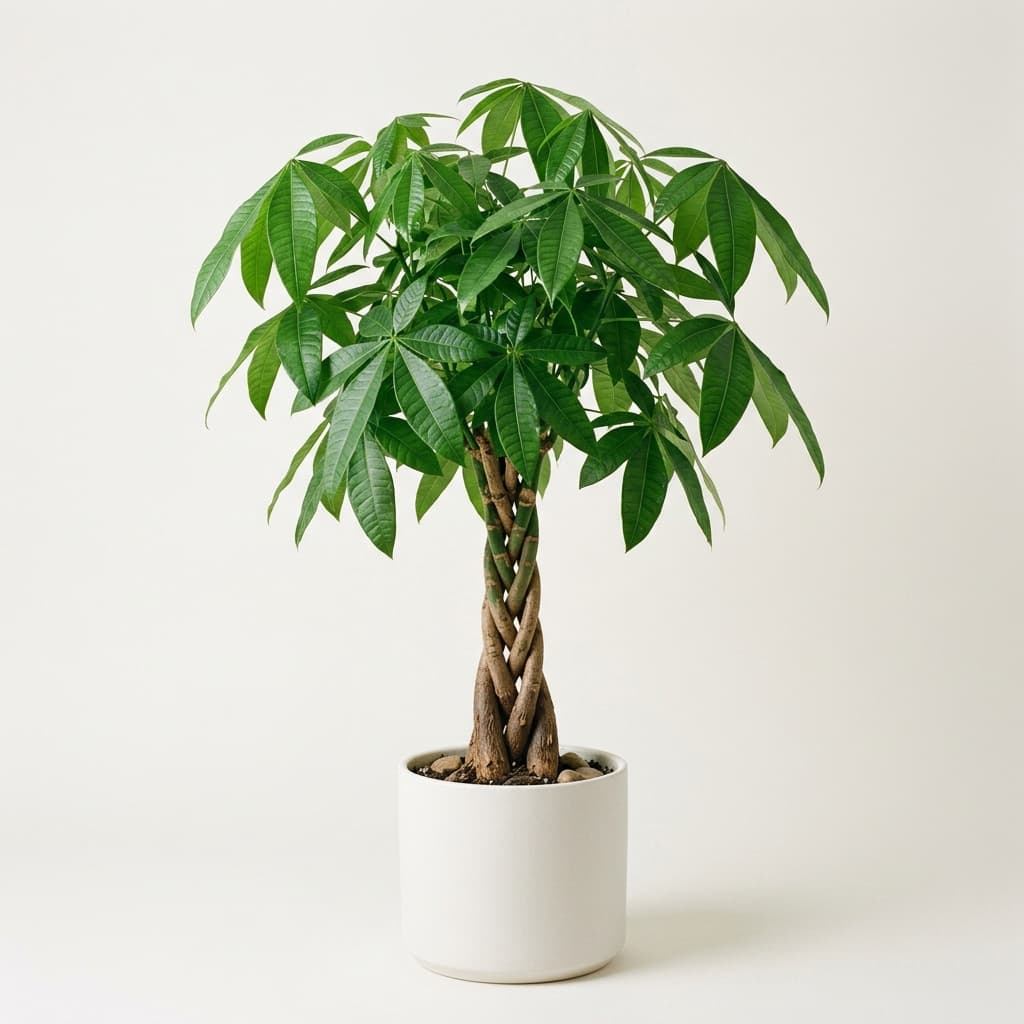
Pachira Aquatica (Money Tree Braid)
Pachira aquatica
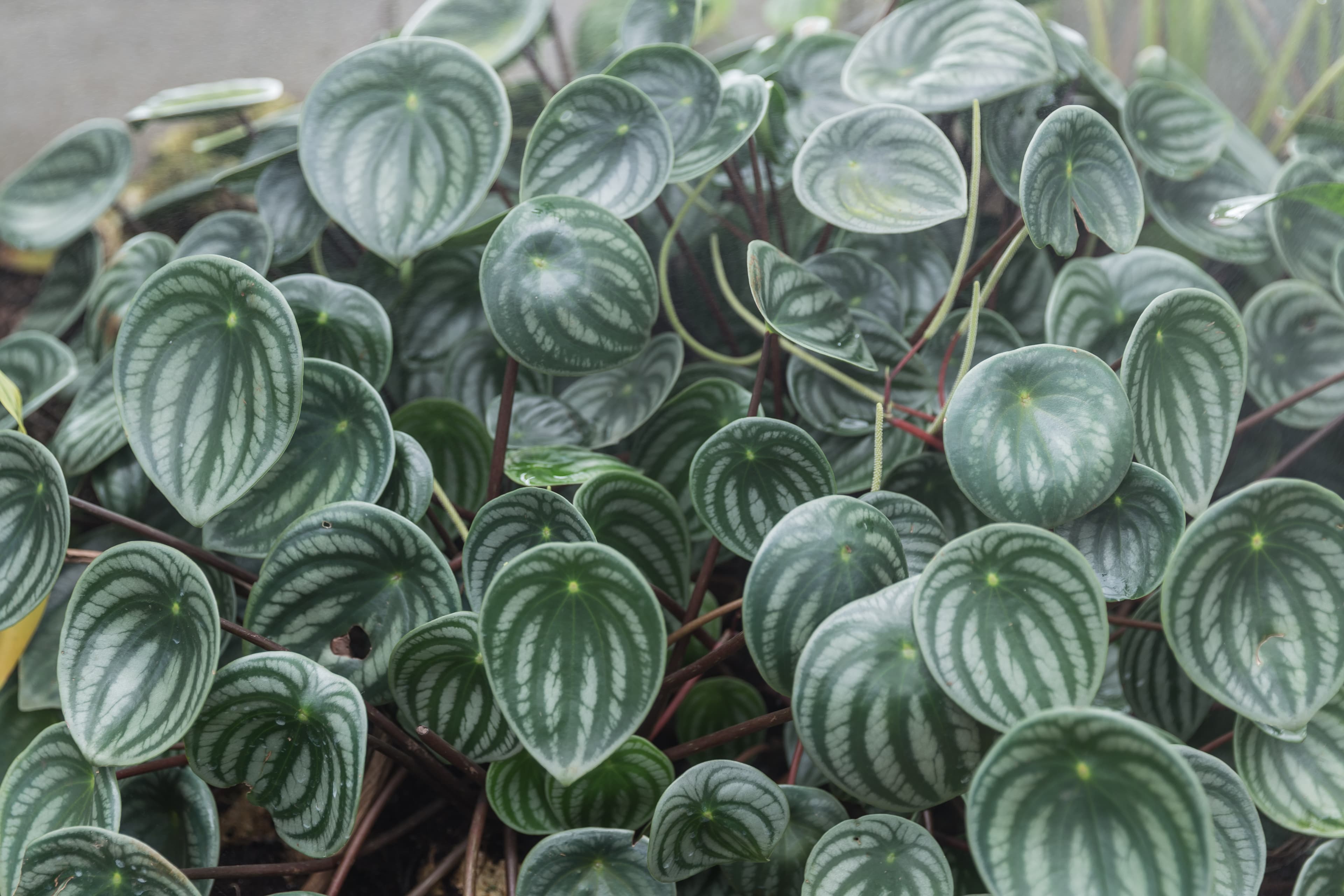
Peperomia Argyreia (Watermelon Peperomia)
Peperomia argyreia
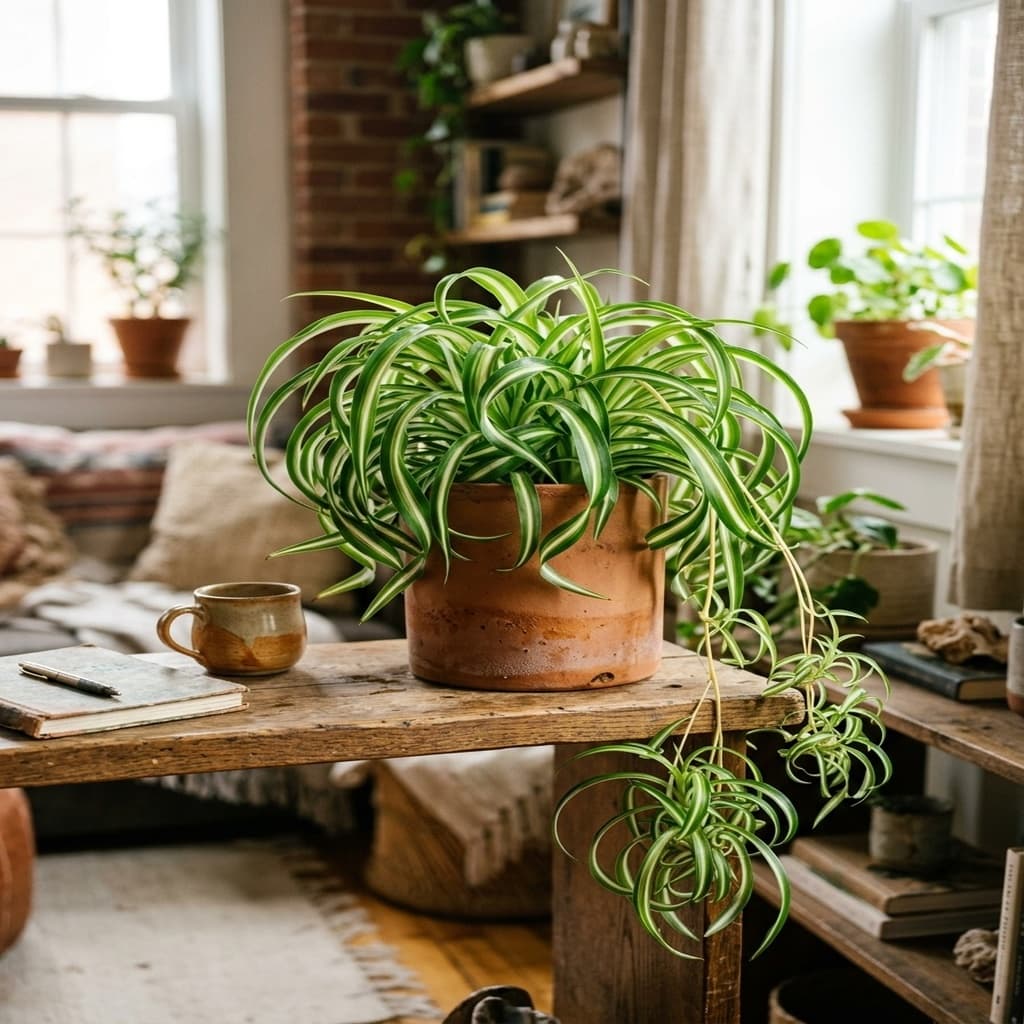
Chlorophytum Comosum "Bonnie" (Curly Spider Plant)
Chlorophytum comosum "Bonnie"
More from The Journal
View All Stories →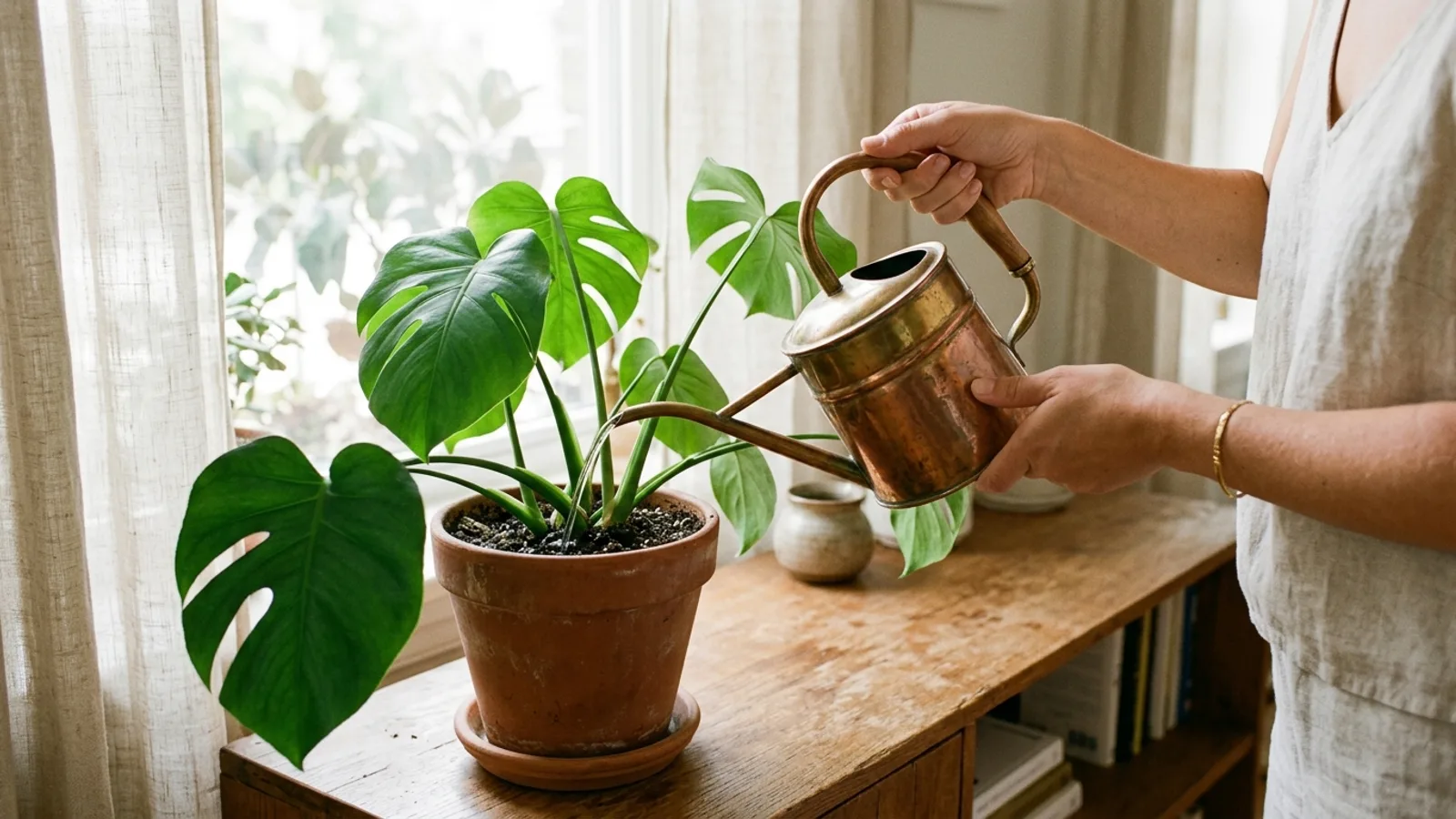
How Often to Water a Monstera (Schedule by Season)
Stop guessing on a rigid calendar. Discover how light, pot material, and seasonal growth cycles dictate your Monstera’s exact hydration needs—with a printable cheat-sheet.
 Elena Vance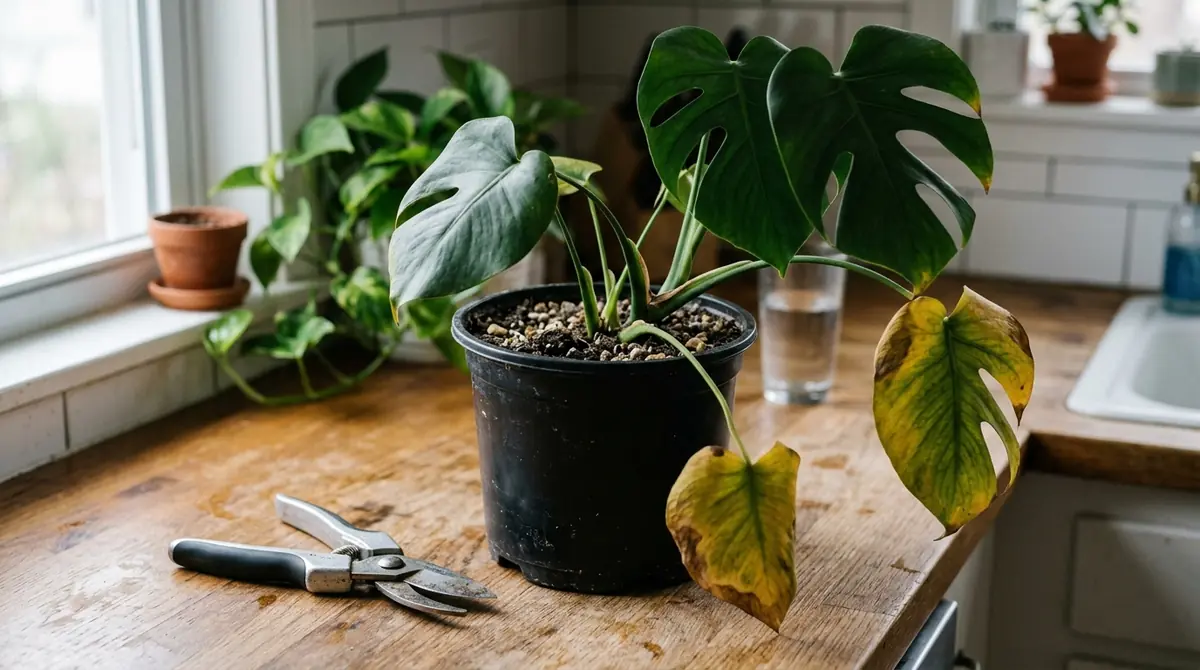
Why Is My Monstera Dying? 7 Fixes for Yellow Leaves, Root Rot & Drooping
Do not panic when your prized Monstera develops yellow leaves or limp stems. Follow our emergency triage protocol to diagnose root rot, shock, or pests—and nurse it back to life.
Elena Vance