Monstera Adansonii Care Guide (Swiss Cheese Vine, Light to Propagation)
How to care for monstera adansonii (swiss cheese vine): light, watering by season, soil, humidity, and propagation — plus how it really differs from monstera deliciosa.

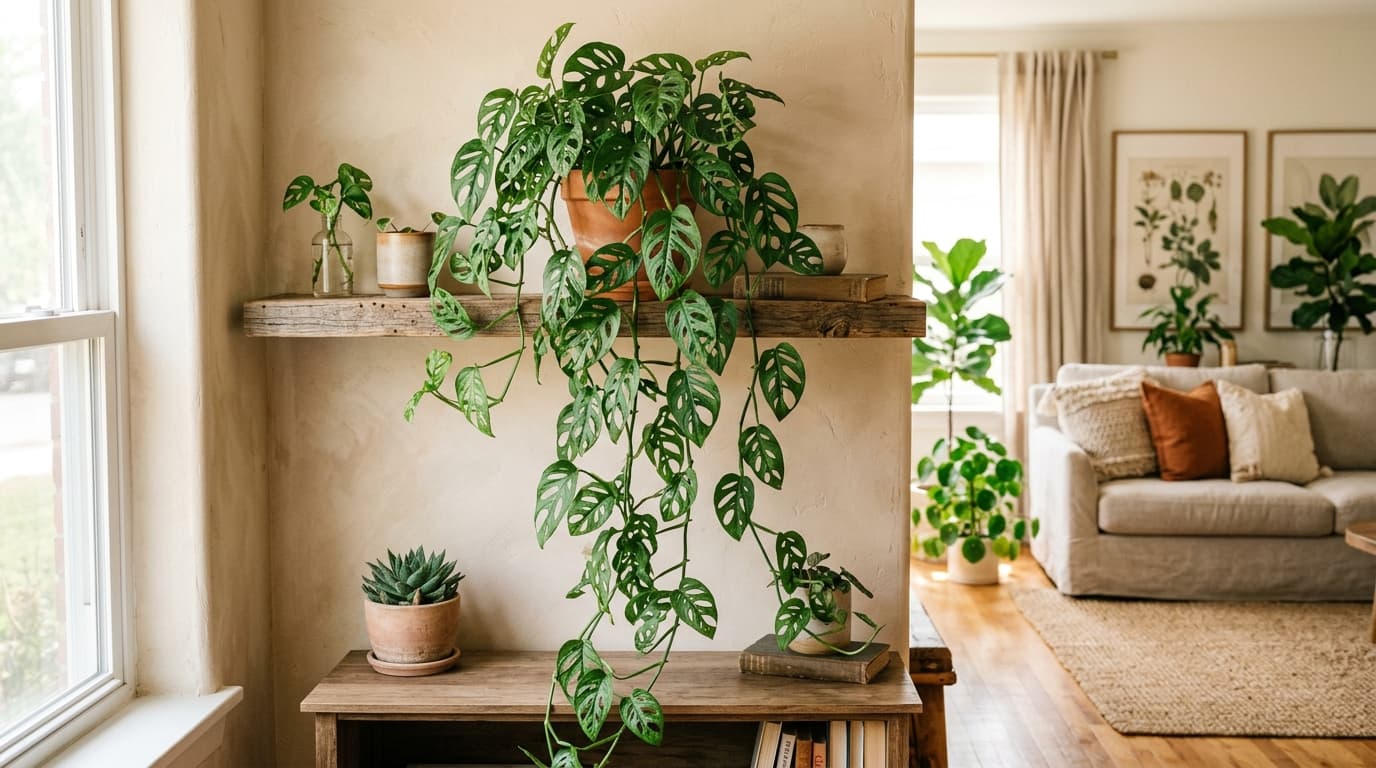
Monstera adansonii, sold as the Swiss cheese vine, monkey mask plant, or five holes plant, is a different animal from its famous cousin Monstera deliciosa even though the two get lumped together constantly. Adansonii stays compact, vines instead of climbing into a tree-sized specimen, and never produces the split, hand-sized leaves people picture when they hear “monstera.” If you bought one expecting a mini deliciosa, here's what it actually needs, and how the differences change your care routine.
Adansonii vs. deliciosa: not the same plant
Both belong to the aroid family Araceae, and both are native to the humid understory of Central and South American rainforests, where they climb as hemiepiphytes, rooting into soil at the base and clinging to trees as they grow. That shared background is where the similarity mostly ends.
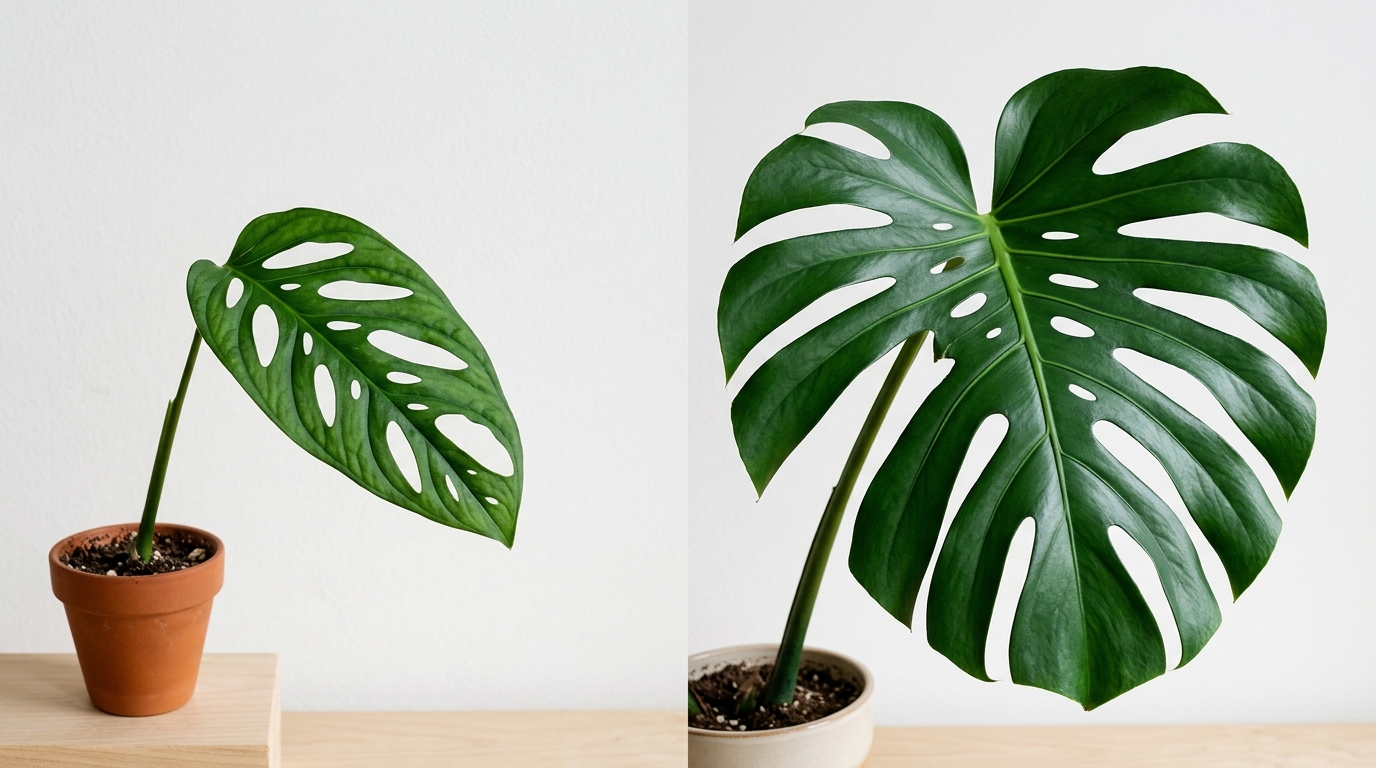
Deliciosa eventually produces huge, deeply split leaves and fenestrated holes that reach the leaf edge, and it can climb into a genuinely large houseplant. Adansonii tops out around 3–5 feet indoors (it can stretch to 13 feet or more scrambling through a tree in the wild), keeps thinner stems, and its leaves stay heart-shaped with oval perforations scattered through the middle of the leaf rather than splits that reach the margin. If your plant has holes that look punched out of the leaf's interior rather than deep finger-like splits, you have an adansonii, not a young deliciosa. See our Monstera Varieties & Prices Guide if you're not sure which one you own.
Light
Adansonii wants bright, indirect light for somewhere around 6–8 hours a day. An east-facing window or a spot a few feet back from a bright south or west window works well. Direct midday sun will scorch the thinner leaves faster than it would a tougher deliciosa leaf, so filter it with a sheer curtain if that's the only light you've got. Too little light doesn't kill the plant, but it does the opposite of what you want: fewer, smaller leaves with fewer fenestrations, and long bare stretches of vine between them as it stretches toward whatever light it can find.
Watering
Check the soil before you water, the same rule as every other aroid: water when the top 2–3 inches feel dry, not on a fixed calendar. In practice that lands around once a week during spring and summer and stretches out considerably in fall and winter as growth slows.
| Season | Typical Indoor Frequency | Check Soil Every |
|---|---|---|
| Spring / Summer | Every 6 – 9 days | 3 – 4 days |
| Fall / Winter | Every 12 – 18 days | Weekly |
Water thoroughly until it runs from the drainage holes, then let the pot drain and don't let it sit in a full saucer. Wrinkled or curling leaves usually mean the plant has gone through a dry stretch too long, while yellowing lower leaves and a musty smell point the other way, toward soil that's stayed wet too long. See our Monstera Watering Schedule for the full knuckle-test method, which works the same way on adansonii as it does on deliciosa.
Soil and Potting
Use a chunky, fast-draining aroid mix rather than dense all-purpose potting soil. A blend of standard potting soil, perlite, and orchid bark or coco chunks gives roots the oxygen they need while still holding some moisture between waterings. Always pot into something with drainage holes. Because adansonii's root system stays modest, go up only 1–2 inches in pot diameter when you repot, the same guidance as for deliciosa: a pot that's too large stays wet for weeks and invites root rot exactly where you don't want it.
Humidity and Temperature
Adansonii is more forgiving of average home humidity than some aroids, but it visibly perks up anywhere from 50% humidity and up. A pebble tray, a small humidifier nearby, or grouping it with other plants all help if your air runs dry, especially in winter with the heat on. Keep it in a room that stays between roughly 65–85°F and away from cold drafts, heating vents, and single-pane windows in winter.
Feeding
Feed with a balanced, water-soluble houseplant fertilizer at half strength every 3–4 weeks during spring and summer, when the plant is actively pushing new vine growth. Skip fertilizing in fall and winter, when growth slows or stalls and unused fertilizer salts just build up in the soil instead of feeding anything.
Climbing Vine or Trailing Plant: Pick a Direction
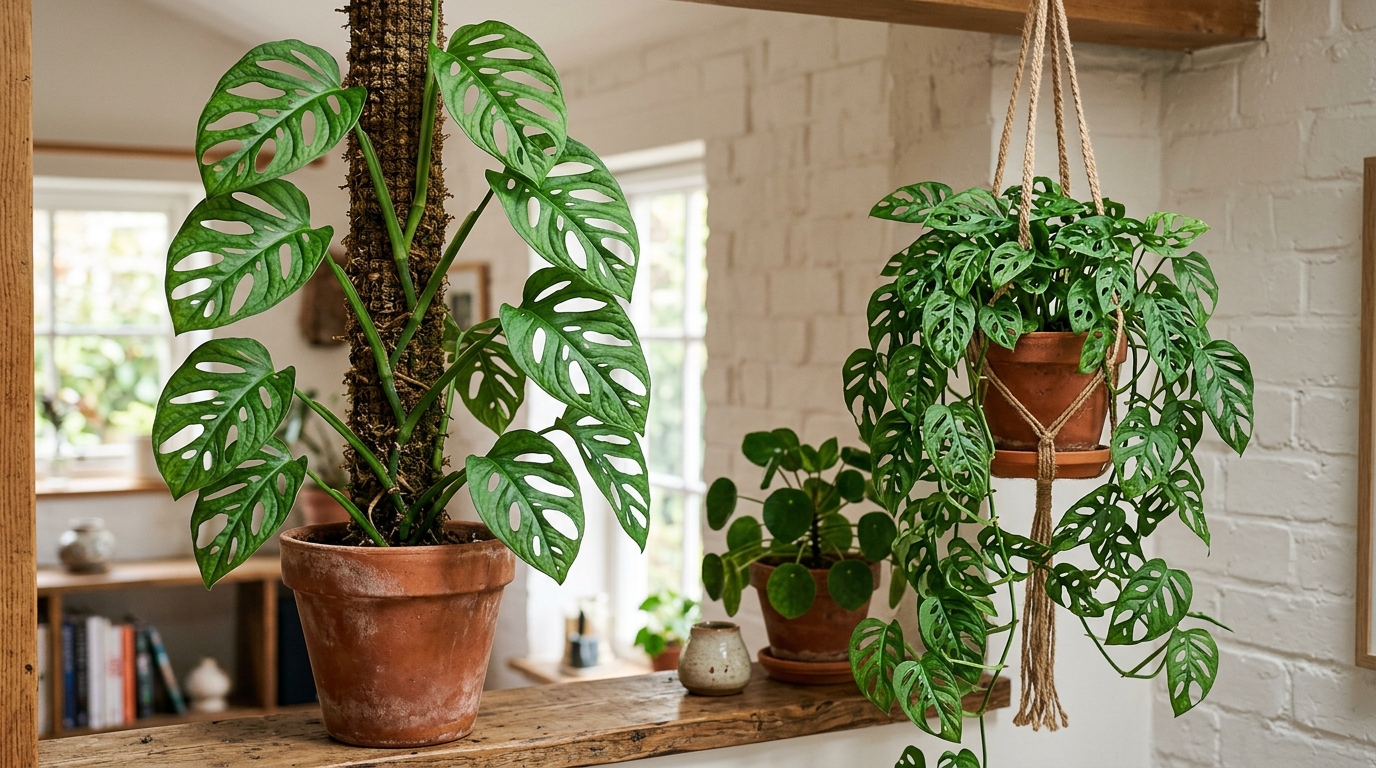
This is the biggest way people get adansonii care wrong: they treat it like a plant that just sits in a pot. Left to trail, it produces smaller leaves with fewer, smaller fenestrations, which is a fine look if you want it cascading from a hanging basket or shelf. Given something to climb, like a moss pole or a coir totem kept consistently damp, the aerial roots will grab on and the plant pushes noticeably larger leaves with bigger, more dramatic holes, closer to what you see in photos of mature specimens. Neither approach is wrong; they just produce a different-looking plant, and you can't get the big-fenestration look without giving it a pole to climb. Read our full Monstera Moss Pole Guide for step-by-step staking instructions.
Propagation
Adansonii propagates the same way deliciosa does: find a node (the small bump on the stem, often with an aerial root nub) and take a cutting with at least one node attached. Water propagation typically shows root nubs within 2–4 weeks and cuttings are usually ready to pot up around 4–6 weeks in, a little faster than deliciosa's slower timeline since adansonii is a lighter, quicker-rooting vine. Our full Monstera Propagation Walkthrough covers finding the node, water-vs-soil-vs-perlite tradeoffs, and when to pot up, and every step applies directly to adansonii cuttings.
Common Problems
Watch for spider mites, mealybugs, and thrips, which tend to show up on a plant that's stressed by low humidity or too little light rather than attacking a healthy one at random. Yellowing leaves point to overwatering or, less often, a nutrient deficiency in a plant that hasn't been fed in a long time. Brown, crispy patches usually mean direct sun exposure or a stretch of underwatering. If you're ever unsure whether you're looking at a watering problem or something more serious, our Monstera Troubleshooting Guide walks through how to tell the difference and what to actually do about it.
Toxicity
Like all monsteras, adansonii contains calcium oxalate crystals and is toxic to cats and dogs if chewed or swallowed, causing oral irritation, drooling, and vomiting. Keep it out of reach of curious pets, or choose a hanging basket over a low shelf. Our Pet Safety Guide has the full list of symptoms and what to do if a pet gets into one.
Varieties Worth Knowing
You'll see adansonii sold as "narrow form" or "wide form," a difference in leaf shape and stem thickness between growers rather than a botanically distinct variety. A variegated adansonii, with white or cream patches on the leaves, does exist and commands a real premium over the plain green form because the variegated tissue can't photosynthesize, which makes the plant slower and pickier to grow. If a variegated adansonii is priced like a regular houseplant, that's worth double-checking before you buy.
Frequently Asked Questions
Is monstera adansonii the same as monstera deliciosa?
No. They're related aroids from the same genus, but adansonii stays smaller, vines rather than climbing into a large plant, and keeps oval perforations in the middle of heart-shaped leaves instead of the deep edge-to-edge splits deliciosa eventually produces.
How often should I water monstera adansonii?
Check the soil rather than the calendar: water when the top 2–3 inches are dry, which usually lands around once a week in spring and summer and considerably less often in fall and winter. Overwatering is a more common problem than underwatering with this plant.
Should I let my monstera adansonii climb or trail?
Either works, but they produce different results. A moss pole or totem encourages larger leaves with bigger fenestrations as the aerial roots latch on; left to trail from a hanging basket, it stays more compact with smaller leaves. Pick based on the look you want, since you can't get the dramatic large-fenestration look without giving it something to climb.
Sources & Citations
- •Wikipedia: Monstera adansonii (native range, growth habit, and taxonomy).
- •Livelyroot & Houseplant Authority: Grower care guidance for light, watering, and propagation ranges.
- •ASPCA Animal Poison Control: Toxicity guidance for Araceae houseplants.
Frequently Asked Questions
Q: Is monstera adansonii the same as monstera deliciosa?
No. They're related aroids from the same genus, but adansonii stays smaller, vines rather than climbing into a large plant, and keeps oval perforations in the middle of heart-shaped leaves instead of deep edge-to-edge splits.
Q: How often should I water monstera adansonii?
Check the soil rather than the calendar: water when the top 2-3 inches are dry, which usually lands around once a week in spring and summer and considerably less often in fall and winter.
Q: Should I let my monstera adansonii climb or trail?
Either works, but climbing a moss pole encourages larger leaves with bigger fenestrations as aerial roots latch on, while trailing produces smaller, compact leaves.
Shop Botanicals Mentioned in This Story
Bring the living plants and tools from this article straight into your home.
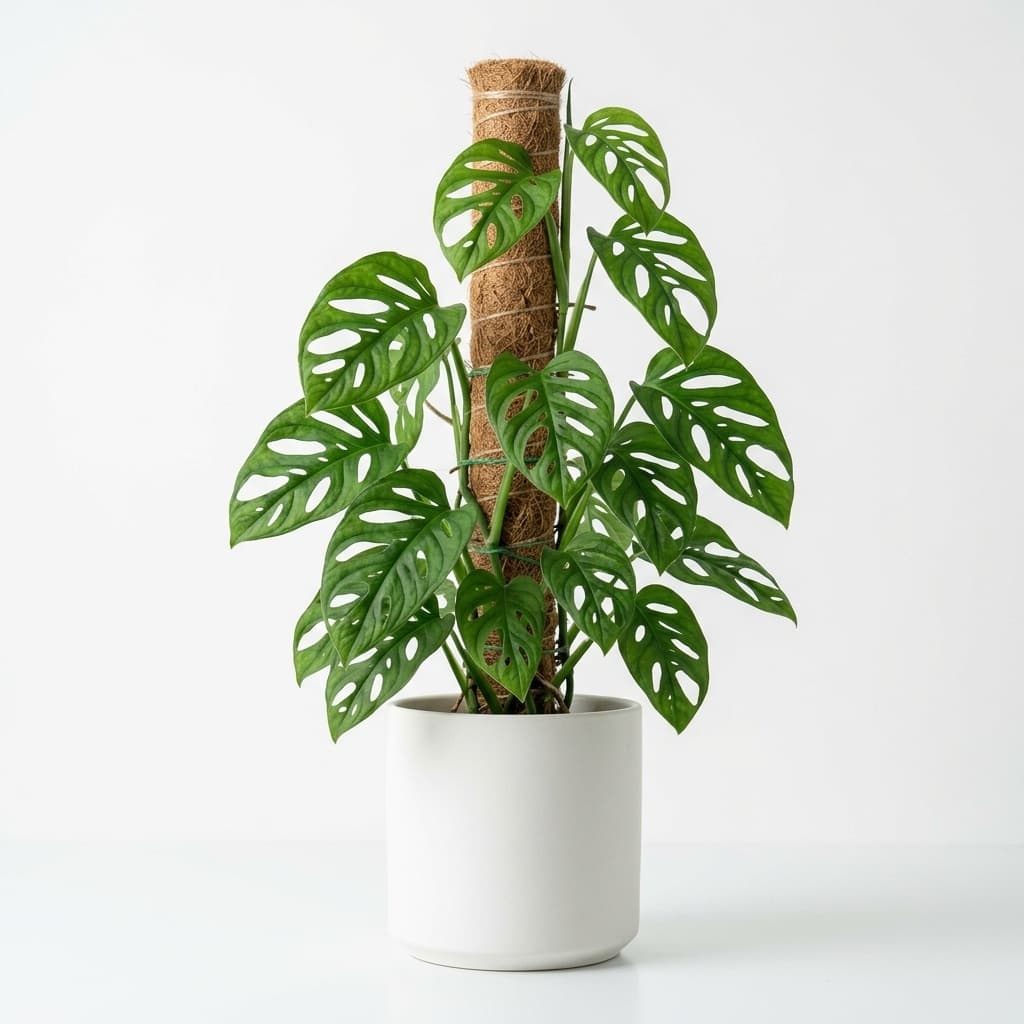
Monstera Adansonii (Swiss Cheese Vine)
Monstera adansonii
More from The Journal
View All Stories →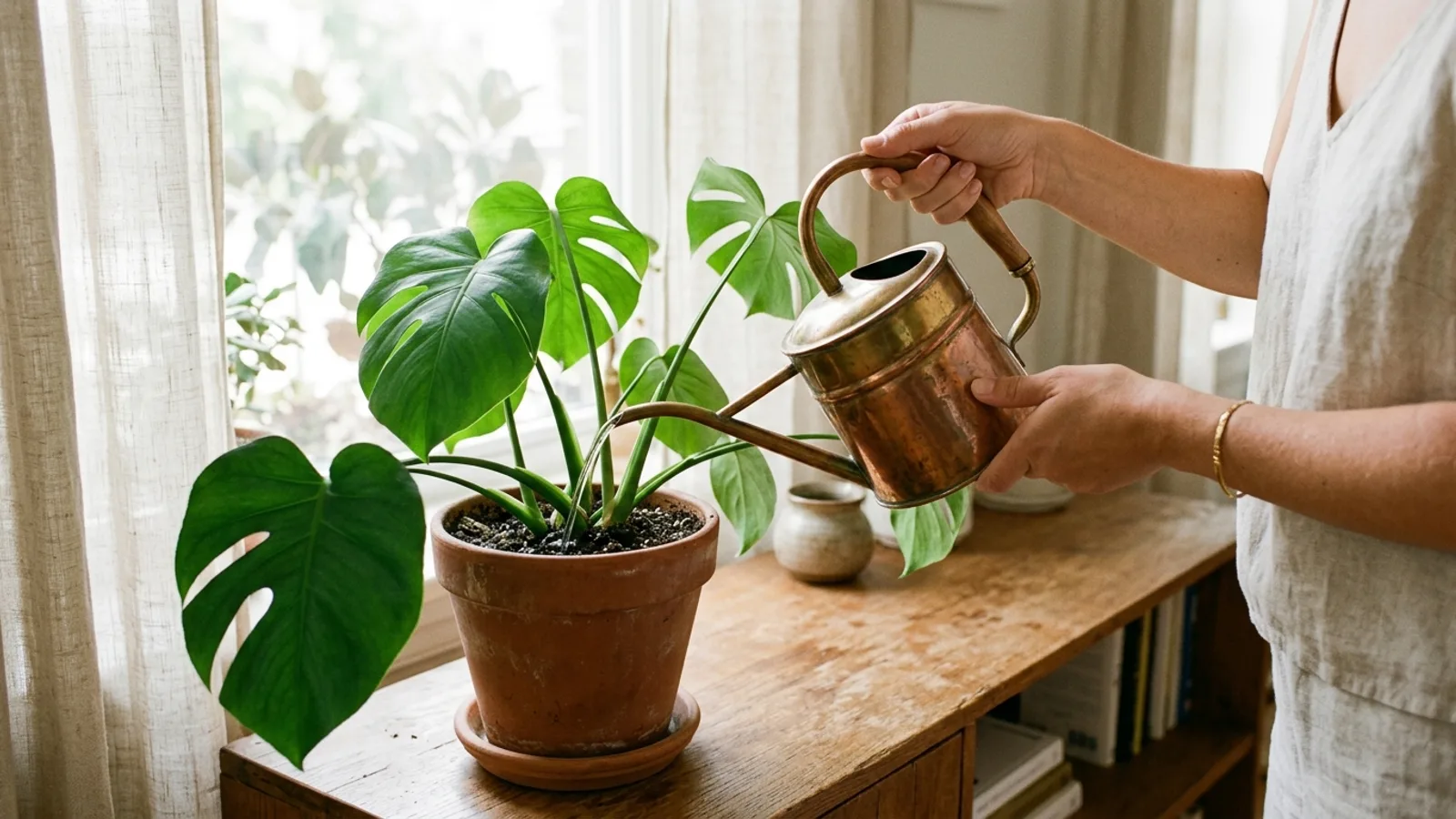
How Often to Water a Monstera (Schedule by Season)
Stop guessing on a rigid calendar. Discover how light, pot material, and seasonal growth cycles dictate your Monstera’s exact hydration needs—with a printable cheat-sheet.
 Elena Vance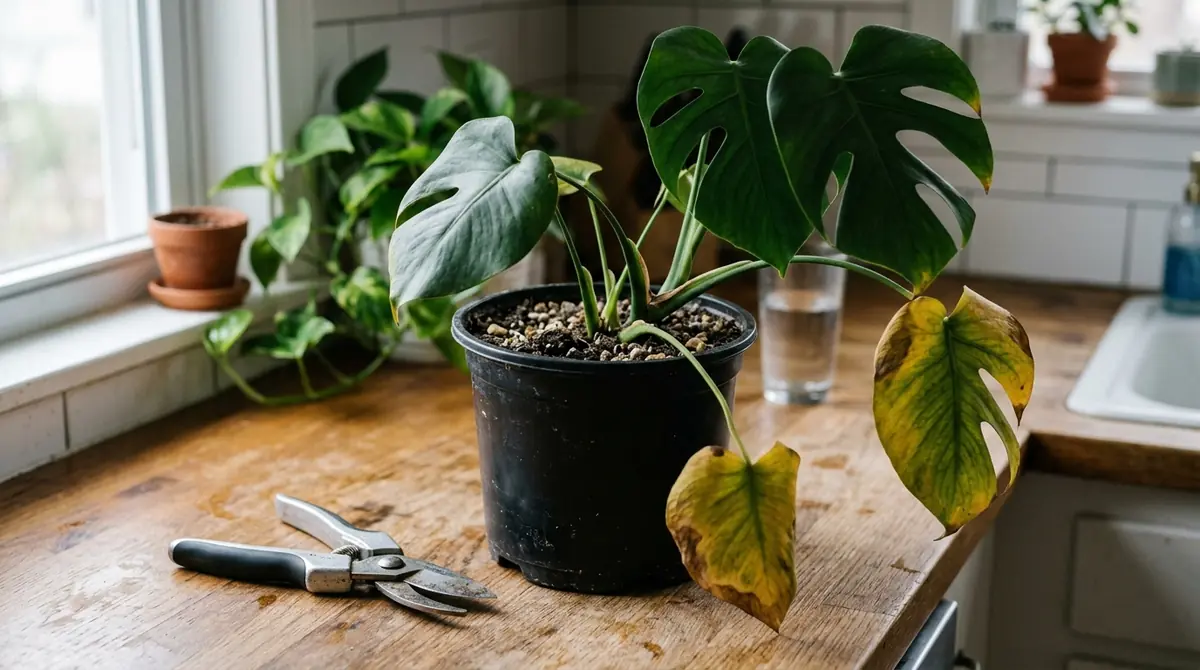
Why Is My Monstera Dying? 7 Fixes for Yellow Leaves, Root Rot & Drooping
Do not panic when your prized Monstera develops yellow leaves or limp stems. Follow our emergency triage protocol to diagnose root rot, shock, or pests—and nurse it back to life.
Elena Vance